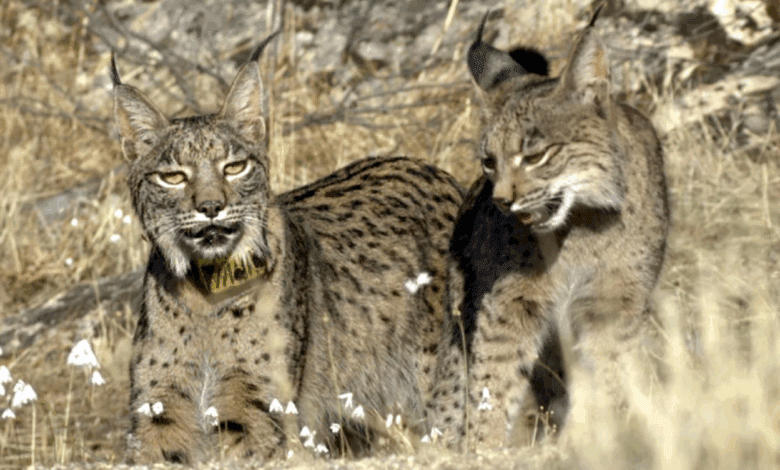
A breakthrough in the conservation of rare species has been reported in Spain: experts in Madrid have succeeded in creating Iberian lynx (Lynx pardinus) embryos in laboratory conditions using eggs extracted from females that died as a result of accidents. Frozen sperm stored in a biobank was used for fertilization. This approach opens up new possibilities for preserving the genetic diversity of animals that did not have a chance to participate in breeding programs.
The Iberian lynx is a unique predator found only on the Iberian Peninsula. Over the past twenty years, its population has grown from a critical low of 100 individuals to more than 2,000, but the problem of low genetic variability remains pressing. Scientists are concerned that the limited gene pool could lead to an increase in hereditary diseases and reduced offspring survival.
Technology and season
During the experiment, researchers found that the effectiveness of obtaining viable eggs depends on the time of year. The best results were achieved in autumn and winter, when lynx enter their natural breeding season. The resulting embryos underwent vitrification—a rapid freezing process that preserves them for future research and possible transplantation into surrogate mothers.
Specialists are currently working on improving embryo transfer methods and increasing the success rate of pregnancies in surrogate females. If these technologies are successfully implemented in practice, it will allow breeding programs to include even those animals that have died or could not reproduce naturally due to behavioral characteristics.
Genetic safety
The issue of preserving genetic diversity is particularly urgent for the Iberian lynx. Despite successes in increasing the population, the risk of inbreeding remains high. Using reproductive material from deceased individuals offers a chance to expand the gene pool and reduce the threat of genetic decline.
Vitrified embryos are now stored in the Madrid biobank, which already houses a collection of genetic material from various members of the species. In the future, these developments could lay the foundation for new generations of lynxes with stronger immunity and better adaptation to life in the wild.
Research prospects
Scientists are not resting on their laurels and continue to seek ways to improve egg retrieval and fertilization efficiency. Work is underway to optimize the storage and transportation conditions of biomaterial, as well as to identify the most suitable surrogate mothers among other felines.
This experience could be applied to other endangered species facing similar challenges. The Spanish project has already attracted international attention, and similar programs are expected to expand to other regions of Europe in the coming years.