The case of the US refusing to issue a visa to a 14-year-old student from Madrid for participation in a UN educational project has become a topic of discussion at the highest levels in Spain. This incident affects not only the rights of a single student, but also raises questions about the access of Spanish children to international educational initiatives. The decision by US authorities has caused concern among parents, educators, and officials, as it could set a precedent for similar cases in the future.
The Spanish Ministries of Youth and Foreign Affairs tried to persuade the US to reconsider its stance regarding Kian, a teenager of Iranian descent who has lived in Spain for seven years. He was to represent Madrid at the Global Classroom finals in New York, where students simulate the work of the UN. However, the American side refused him entry, citing security-related restrictions for citizens of certain countries. As El Pais notes, the decision was made without considering the teenager’s age or the purpose of his trip.
Seeking solutions
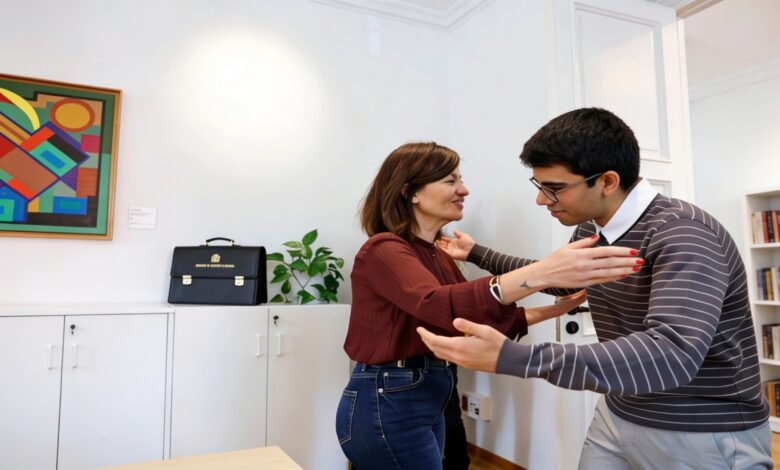
The Minister for Youth and Children, Sira Rego, met with Kian and his mother to explain the details of the situation and show support. During the meeting, they discussed possible alternatives, since the timeframe for handling administrative appeals does not allow for a swift reversal of the US decision. Options under consideration include moving the final stage of the Global Classroom to another United Nations office, such as Geneva, or arranging remote participation. According to the Minister, it is important to ensure the child is not completely excluded from the educational process due to visa restrictions.
Meanwhile, the Madrid regional authorities stated that they had done everything possible within their powers, but did not disclose details of the steps taken. This drew criticism from the opposition. The Más Madrid party submitted a proposal to the regional parliament requesting an official protest to the US embassy and a review of the decision. There is also discussion about stripping the US of an international award previously granted by the regional administration.
Public response
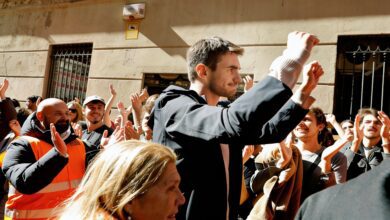
The story of Kian has sparked widespread public debate. Many residents of Madrid and other regions in Spain believe that such restrictions are unfair to children who are integrated into Spanish society and participate in international educational programs. Social networks and media are actively discussing how such cases could affect the country’s image and opportunities for young people. According to El Pais, the student himself hopes the situation will be resolved and he will be able to continue participating in the project, despite feeling exhausted by media attention and the uncertainty of recent weeks.
The question of citizenship has also come into focus: Kian has lived in Spain for seven years but cannot obtain a Spanish passport, as this requires at least ten years of residency. This circumstance further complicates his situation and limits his ability to take part in international events.
Context and consequences
Kian’s case has become yet another example of how international visa restrictions can unexpectedly affect educational and cultural exchanges. In recent years, Spain has already faced similar situations where students or participants in international competitions were unable to travel abroad due to tightening visa regulations. Such problems are especially common with trips to the United States, where strict restrictions apply to citizens of several countries. An analysis by russpain.com indicates that these incidents are prompting a reassessment of approaches to organizing international programs and encouraging the search for new formats of participation for Spanish schoolchildren and students.