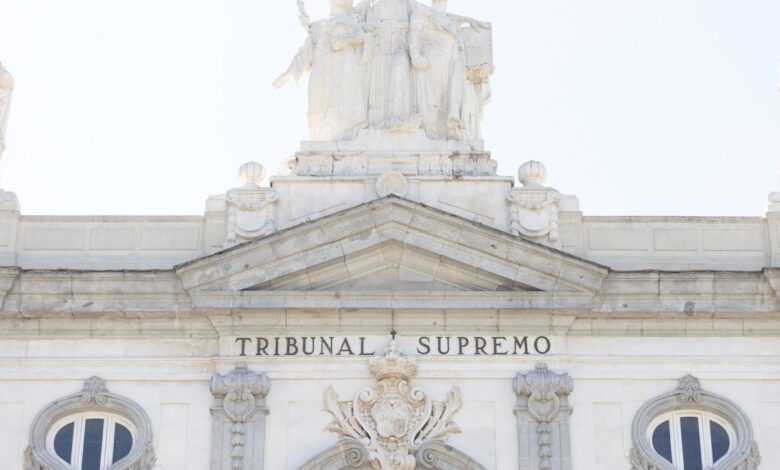
A new round of debate has erupted in Spain between landlords and tenants: the Supreme Court (Tribunal Supremo) has put an end to a years-long dispute over who should pay property taxes and garbage collection fees. The court ruling, issued in November 2025, could change the game for thousands of renters across the country. Now, even if the exact amount is not stated in the contract, tenants are still required to pay if there is a direct clause about these expenses.
The spotlight fell on a case involving an apartment in Ibiza, where the property owner started eviction proceedings over the non-payment of IBI (property tax) and the municipal garbage collection fee. The rental agreement specified that these payments were the tenants’ responsibility, but it did not include exact amounts. The tenants decided to challenge this setup, arguing that demanding payment without precise figures is illegal. Their arguments reached the Supreme Court—which unexpectedly sided with the owner.
Legal Dilemma
Initially, the lower court sided with the tenants, finding that the absence of a stated amount in the contract made the payment demand unjustified. However, the appeals court in Mallorca reconsidered the case and ruled: if the tax or fee is charged to a specific apartment and there’s a direct agreement in the contract, the tenant must pay—even if the amount isn’t specified. The Supreme Court confirmed this approach, making it the rule nationwide.
The judges emphasized that if a tax or fee is individualized—meaning it is billed to a specific property—there is no need to include its exact amount in the contract. It is sufficient for the parties to expressly agree on such an obligation. This applies both to IBI and to waste collection fees, as long as they are charged separately for each apartment.
Law and practice
The Supreme Court examined Article 20 of the Urban Lease Act (Ley de Arrendamientos Urbanos, LAU) in detail. Under the law, if expenses cannot be individualized, their amount must be specified in the contract. However, if the charges are taxes or fees billed by the municipality to a particular apartment, this requirement does not apply. The judges explained that such payments do not require additional distribution among tenants, so they can be passed on to the tenant by mutual agreement.
The court paid special attention to the tenants’ own actions. In this case, the tenants not only signed the contract with the relevant clause, but also regularly paid the taxes and fees for the first year. It was only later, after they stopped paying, that they decided to contest their obligation. The court interpreted this as evidence that the tenants understood and voluntarily accepted their responsibilities.
Implications for tenants
The Supreme Court’s decision has sent a worrying signal to everyone renting housing in Spain. Landlords now have a powerful tool to demand taxes and fees from tenants, even if the contract does not specify exact amounts. It is enough for the contract to directly state the obligation to pay IBI or the waste collection fee, as long as these payments are individualized for the specific apartment.
This especially applies to municipal fees which, in some cities, are charged separately for each apartment, while in others they are included in the building’s general expenses. The court clarified: if the fee is individualized, it can be collected directly from the tenant. If it is distributed among all residents, different rules apply and the sum must be specified in the contract.
Legal clarity
The Supreme Court has brought long-awaited clarity to an issue that, for years, sparked debate and conflicting rulings across different regions. Now, tenants and landlords can clearly understand their rights and obligations. For tenants, this means they need to read their contracts carefully and clarify exactly which payments they are responsible for. For property owners, it means they have the right to demand payment of taxes and fees if these are individualized and specified in the contract.
In case you didn’t know, the Supreme Court of Spain (Tribunal Supremo) is the country’s highest judicial authority, and its decisions are binding on all other courts. Its rulings shape legal precedent and often serve as a benchmark for future disputes. Issues concerning rental housing and the allocation of tax obligations frequently come before the court, as they affect millions of citizens and property owners across Spain.