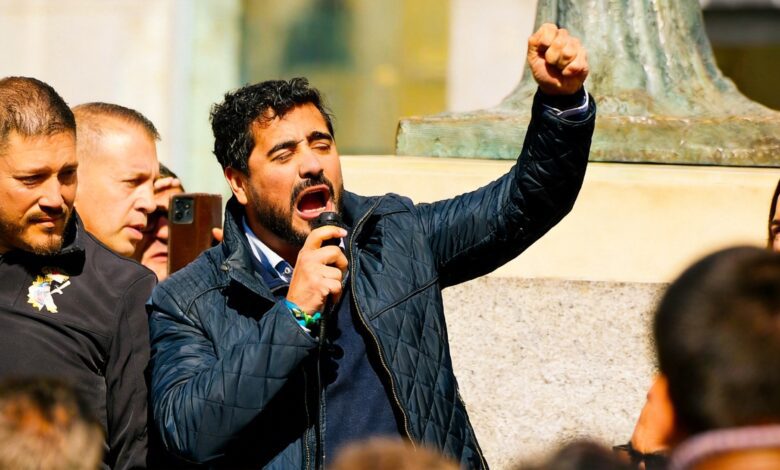
The Spanish Supreme Court’s decision to launch an investigation into Luis Pérez, known as Alvise, has become a notable event in the country’s political landscape. The focus is not only on the politician’s actions but also on the possible impact on public trust in government institutions. The situation surrounding the allegations against Algeciras mayor José Ignacio Landaluce highlights the acute importance of transparency and accountability among public officials.
As reported by El Pais, the case was prompted by a complaint from José Ignacio Landaluce. The complaint alleges that Alvise threatened to publish materials on Telegram that could damage the mayor’s reputation unless he resigned. These materials reportedly include audio recordings, documents, and screenshots of conversations that ascribe illegal or compromising actions to the mayor. The Supreme Court took these allegations seriously enough to open what is now the fifth proceeding against the Se Acabó la Fiesta leader.
Growing list of cases
The case of threats is not the only one Alvise faces. Previously, the Supreme Court had already launched investigations into several other episodes. These include the alleged receipt of a large cash sum from a businessman linked to cryptocurrencies, used to finance the European Parliament election campaign. Other accusations involve distributing a fake COVID-19 test, purportedly belonging to Salvador Illa, the current head of the Generalitat and former Minister of Health.
In addition, Alvise is suspected of threatening Susana Gisbert, the hate crimes prosecutor in Valencia, as well as disclosing personal data and harassing Diego Solier and Nora Junco. Both were candidates from Se Acabó la Fiesta in the 2024 elections but later left the movement. According to El Pais, these episodes form a complex picture where personal conflicts and political ambitions intertwine with questions of legality.
Impact on the political climate
The investigation against Alvise highlights the acute issue of ethics in Spanish politics. Each new incident involving threats or attempts at pressure sparks public debate and intensifies discussions about acceptable boundaries of conduct for public figures. Recent events show that court proceedings against politicians and public figures are becoming increasingly common. For example, in Madrid, the defense of a well-known politician recently called for the exclusion of a key witness from a case, which attracted widespread public attention and was discussed in the article on legal disputes surrounding the Errejón case.
According to El Pais, such cases not only affect the reputation of individual politicians but also establish new standards for the entire political landscape. As society demands more transparency and accountability, any accusations of threats or blackmail come under intense scrutiny.
Context and trends
In recent years, Spain has seen an increase in cases involving threats and pressure against public officials. These incidents often spark discussion in the media and fuel debates about tightening legislation. An analysis by russpain.com suggests that such investigations could lead to a reassessment of approaches to personal data protection and the regulation of politicians’ conduct in the public sphere.
Looking back at other high-profile cases, it is clear that accusations of threats or attempts to pressure officials and politicians are not uncommon. Over the past two years, Spain has dealt with cases involving the publication of compromising materials, as well as efforts to discredit opponents through social media. These trends reflect changing political culture and rising demands for transparency and accountability.
Overall, the situation surrounding the investigation into Alvise shows how quickly public attitudes are shifting on issues of ethics and legality in politics. Each new case becomes grounds for discussing the boundaries of acceptable behavior and the role of the judiciary in ensuring justice.