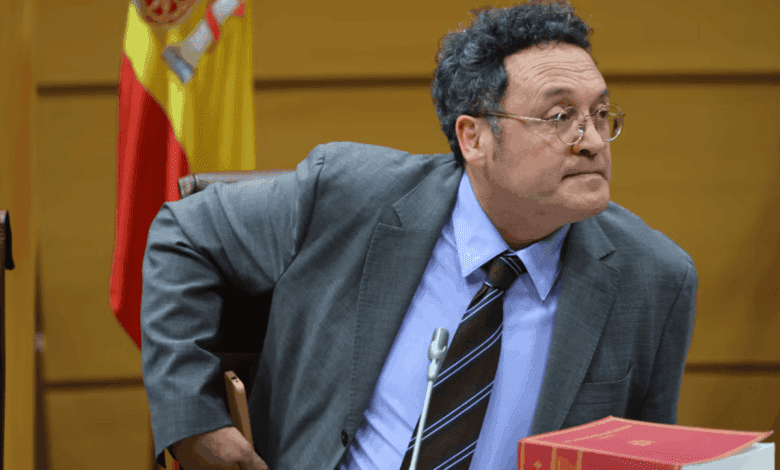
The decision of the Supreme Court of Spain in the case of the former Attorney General has become a landmark for the entire country. The judges refused to overturn the verdict that restricts officials’ rights to disclose confidential information, even under pressure or during information attacks. This ruling underscores that even high-ranking authorities cannot use official information for public disputes, regardless of the circumstances.
The focus of national attention was former Attorney General Álvaro García Ortiz, who received a two-year ban from holding office and a fine for revealing classified details. His actions were linked to publishing information about the case of Alberto González Amador, the partner of a prominent political figure. The court ruled that making public internal correspondence and official data, even if intended to refute false accusations, went beyond what is permissible.
Arguments of the parties
García Ortiz’s defense and representatives from the prosecutor’s office tried to persuade the court to overturn the verdict, citing violations of fundamental rights and freedom of expression. They insisted that the former Attorney General’s actions were a necessary step to protect the department’s reputation and respond to public attacks. However, most judges did not accept these arguments, noting that official information cannot be used as a tool in public disputes.
Two members of the court issued dissenting opinions, but their position did not affect the final decision. The ruling notes that even if a case attracts public interest, this does not grant the right to violate professional standards or disclose information obtained through official duties. The court emphasized that disciplinary measures must be applied regardless of how much public attention a case receives.
Consequences for the system
The decision has already sparked discussion among lawyers and experts. Many believe it will set a precedent for future cases involving officials disclosing confidential information. From now on, any attempts to justify the publication of sensitive data due to public relevance will be scrutinized more strictly. This could change the way state institutions communicate with society.
During the proceedings, the court also stated that freedom of expression—even when exercised by government bodies—cannot justify the publication of information accessed through official positions. The ruling stressed that public statements must remain within the boundaries of the law, and any violations will carry consequences.
Context and comparison
The situation with García Ortiz is reminiscent of other high-profile cases where government officials have faced accusations of breaching professional ethics. For example, Spain recently debated a dispute over legal costs, with the prosecution challenging a substantial amount awarded by the court, raising further questions about transparency and accountability of state institutions. You can read more about such disputes in the article on disagreements between the prosecution and the court regarding legal costs.
As reported by El Pais, the Supreme Court’s decision in the former attorney general’s case underscores the importance of adhering to professional standards and restrictions for all public officials. In recent years, Spain has seen a rise in incidents where officials and members of the judiciary have been at the center of scandals linked to information leaks or abuse of power. Such cases spark public debate and impact trust in government institutions.
Looking back at recent events, it is worth noting that Spain already considered similar cases in 2025, when official information leaked to the press and triggered disciplinary proceedings. Each incident raises questions about balancing transparency and confidentiality, as well as the boundaries of acceptable conduct for public servants. The decisions in these cases set new standards for the entire justice system and affect the work of state agencies.