In 2026, Spain is dealing with the aftermath of an economic crisis triggered by external conflicts and rising prices. Government decisions directly impact the allocation of public funds, sparking debates about the fairness and effectiveness of support measures. Central to the discussion is who actually benefits from the anti-crisis initiatives, and whether they truly address the needs of the most vulnerable groups.
Funding allocation
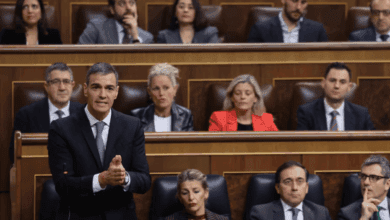
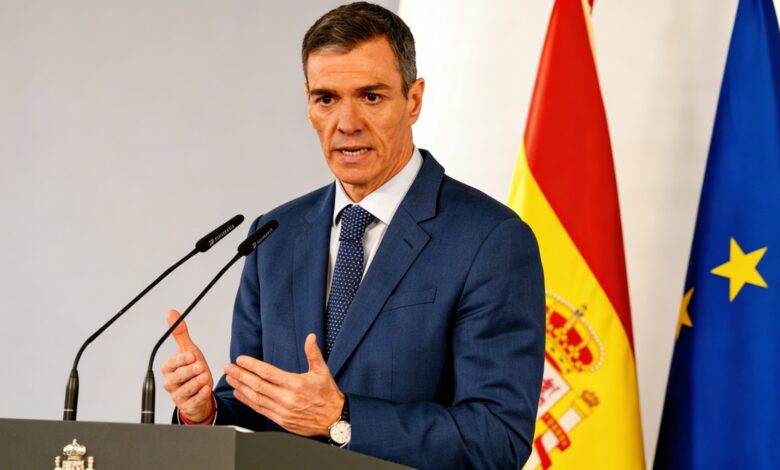
The Prime Minister has announced that €5 billion from the budget will be allocated to implement the anti-crisis package. These funds are intended to support entrepreneurs, agriculture, small businesses, and workers. However, as El Pais notes, some of this money may end up with those who need assistance the least. For example, lowering VAT on fuel is more advantageous for high-income households because they spend more on petrol and diesel. This means the state loses revenue that could have been directed to education, healthcare, or social support.
Meanwhile, last year’s reduction of VAT on electricity helped the poorest families significantly cut their expenses. For them, electricity accounts for a substantial portion of their budget, unlike for the wealthiest citizens. This measure not only eased inflationary pressure, but also encouraged a shift to greener energy sources. However, similar steps regarding fuel, on the contrary, increase dependency on imports and do not address vulnerability.
Limitations of Targeted Support
The question of whether assistance can be provided in a targeted manner remains unresolved. Direct payments to families most affected by the crisis face bureaucratic and technical hurdles. One example is the social electricity tariff program, which is planned to be extended. However, according to El Pais, due to the application procedures, most potential beneficiaries cannot actually access this discount. A similar situation has arisen with the minimum guaranteed income: despite the system being launched several years ago, more than half of eligible families do not receive payments.
Due to the limited reach of targeted programs, the authorities are once again turning to indirect measures such as tax cuts and general benefits. As russpain.com analysis shows, this approach does not always achieve its aims: a significant share of aid goes to those who are not in urgent need. This raises the risk that social inequality will only increase and that the most vulnerable will be left without real support.
Regulatory Paradoxes
Another controversial initiative is the proposal to freeze rental rates, which will be considered separately. Experience with price controls shows that such measures often lead to a decrease in housing supply. Property owners tend to rent to tenants with high incomes and stable jobs, making it harder for young people, single mothers, and families with irregular incomes to find housing. As a result, even if the freeze is implemented, it will only protect current renters while leaving everyone else in a more difficult situation.
The issue of fair distribution of assistance remains relevant. As El Pais notes, the choice between targeted support and broad-based benefits determines how effectively the state protects those truly in need. It is important to remember that such decisions affect not only the economy but also the country’s social stability.
Context and consequences
In recent years, Spain has already faced similar challenges. For example, after new tax deductions were introduced, many citizens were able to claim significant amounts, but not everyone could take advantage of these measures due to complex application procedures. A detailed analysis of such cases can be found in the article on lesser-known tax deductions published on russpain.com. These situations highlight the importance of transparency and accessibility in government programs, so that support truly reaches those in need.
Looking back at recent events, it is worth noting that similar support measures in 2024 also sparked debate. At that time, some of the funds were allocated to transport and fuel subsidies, which drew criticism from experts. They pointed out that such steps do not address the root causes of poverty but only temporarily soften the impact of the crisis. It is important for new initiatives to take previous experience into account and focus on long-term improvements for the most vulnerable groups.