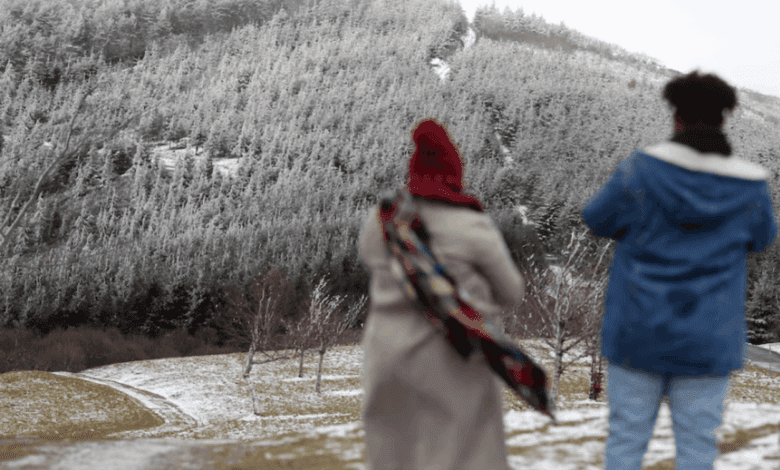
Spain braces for another winter blow as Storm Ingrid approaches, set to upend daily life starting this Friday. The severe weather, arriving from the northwest, promises not only torrential rain and gale-force winds, but also a true Arctic chill. Over the weekend of January 23rd and 24th, most of the country will be at the mercy of the elements, leaving even those used to Spain’s mild winters unable to relax.
From early Friday morning, residents of Galicia and Cantabria are seeing Atlantic waves rising above nine meters, with the sky thickening with heavy clouds. Air temperatures are dropping rapidly, and by evening, thermometers in northern and central regions have already sunk below zero. In some parts of the northwest, highs won’t even reach five degrees Celsius. There’s a sense of unease in the air—as if winter is determined to remind everyone of its true character.
Snow threat
Forecasters are especially concerned about heavy snowfall. On Friday, the snow line in Galicia and northern Castilla y León will drop to 500 meters or even lower in some areas. Up to 5 centimeters of snow could fall during the day in these regions, and even more in the mountains. On Saturday, snow is expected not just in traditionally cold regions, but also in central Spain, where such conditions are rare. In Andalucía and southern Castilla-La Mancha, snowfall is possible at elevations from 900 meters, and in the Pyrenees at about 800 meters or lower.
Meteorologists warn: snowfall may affect not only mountain areas, but also lowlands. At risk are Galicia, the northern Meseta, the interior of Cantabria, and the Pyrenean foothills. Snowdrifts could also surprise other parts of the country, especially if temperatures continue to drop.
Heavy rain and storm winds
Along with plunging temperatures, heavy rains are hitting Spain. In Galicia, western Andalucía, Castilla y León, as well as Madrid and Extremadura, precipitation will be particularly intense. Some areas may see thunderstorms with hail, while the northwestern provinces face torrential downpours that could trigger localized flooding. Winds are reaching storm force, especially along the Atlantic coast and in Cantabria, where gusts become dangerously strong.
The sea is no less fierce: a red alert is in effect in Galicia as waves reach up to nine meters. Asturias, Cantabria, the Basque Country, and other coastal regions are also under storm warnings. Fishermen and coastal residents are forced to change plans, while authorities urge people to avoid going out to sea or walking along seafronts.
Cold snap sets in
With the arrival of Arctic air, Spain comes to a virtual standstill. Inland areas, especially in the northwest, greet the morning with subzero temperatures. In the mountains and on the plateau, moderate to severe frosts are recorded. Even during the day, the air doesn’t warm above five degrees, and at night the frost intensifies. In some places, especially in the mountains and in the north, roads become icy, creating extra challenges for drivers.
The weather will change little on Saturday and Sunday: precipitation will continue, snow will fall across new areas, and the cold will only intensify. Authorities warn of possible transport disruptions and advise residents to monitor weather updates. By the end of the weekend, however, conditions are expected to gradually stabilize: temperatures will rise slightly, and snowstorms will shift to the mountains and northern regions.
Regions in the crosshairs
The greatest impact is expected in Galicia, where red and orange weather alerts are already in effect. In the provinces of A Coruña, Lugo, Ourense, Pontevedra, and León, snow and strong winds may cause power outages and difficult driving conditions. In Castilla y León, as well as in Madrid, Extremadura, and western Andalucía, rain and snowfall will persist through the weekend. In the Pyrenees and the northern parts of the country, snow will linger even longer, with low temperatures expected through the start of next week.
Despite numerous warnings, the exact scale of the consequences remains difficult to predict. Meteorologists advise people to stay alert and closely monitor changing weather conditions. In the coming days, Spain will be awaiting further updates on the development of Storm Ingrid, which has already become one of the most talked-about weather events of the winter of 2026.