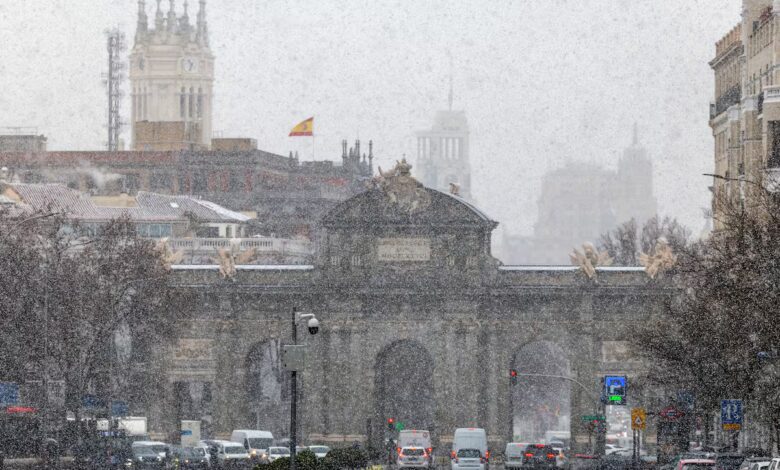
The aftermath of the sudden storm that struck Madrid and several other Spanish cities is already being felt by thousands of residents. Unexpected snowfall and strong winds transformed daily life within hours, threatening safety and mobility. For many Spaniards, this was more than just a weather event—it became a serious test for urban infrastructure and the readiness of public services.
In the capital, streets were covered with a thick layer of snow, causing traffic disruptions and forcing drivers to seek alternative routes. In suburbs like Galapagar and Torrelodones, residents faced power outages and temporary isolation in certain neighborhoods. The situation was made worse by the fact that many were unprepared for such a sudden shift in weather, and standard precautionary measures proved inadequate.
Response of public services
In Mérida, municipal workers had to respond promptly to numerous calls: strong winds knocked down trees, blocking roads and damaging parked cars. Crews hurried to clear the streets to restore traffic and ensure access to residential areas. In Sevilla, powerful gusts of wind brought down large trees on busy streets such as San Jacinto, temporarily blocking traffic and creating additional risks for both pedestrians and drivers.
Drivers caught on the highways during the storm had to use special anti-skid wheel covers to avoid accidents and skidding. Despite the efforts of road services, traffic remained difficult in some areas, and reports of minor accidents kept coming in regularly. Authorities urged citizens to exercise caution and refrain from travel whenever possible.
Life under the snow
For many residents of Madrid and the surrounding areas, their usual routes to work or school became inaccessible. Snowdrifts and fallen trees blocked access to homes, and utility services were not always able to respond quickly enough to new incidents. In some districts, people had to clear paths themselves just to exit their buildings or free their cars.
Photos and videos shared on social media captured the aftermath of the storm: snow-covered streets, fallen trees, and stranded vehicles. Many told stories of having to walk home or helping neighbors deal with the aftermath of the bad weather. A sense of anxiety and uncertainty set in even among those who are usually unfazed by the whims of the weather.
Impact on daily life
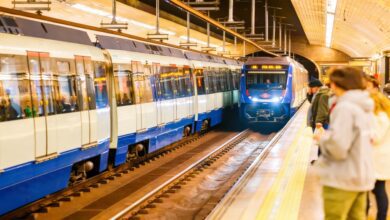
The storm exposed how vulnerable even large cities can be in the face of natural disasters. Disruptions in public transport, power outages, and the temporary isolation of certain neighborhoods became a serious challenge for residents. Many businesses and institutions had to suspend operations, and schools canceled classes.
Authorities continue to monitor the situation and warn of possible new complications. City residents, in turn, are trying to adapt to the new conditions, showing solidarity and mutual support. However, the aftermath of this natural disaster will be felt for a long time, and questions about the readiness of infrastructure for such challenges remain unresolved.