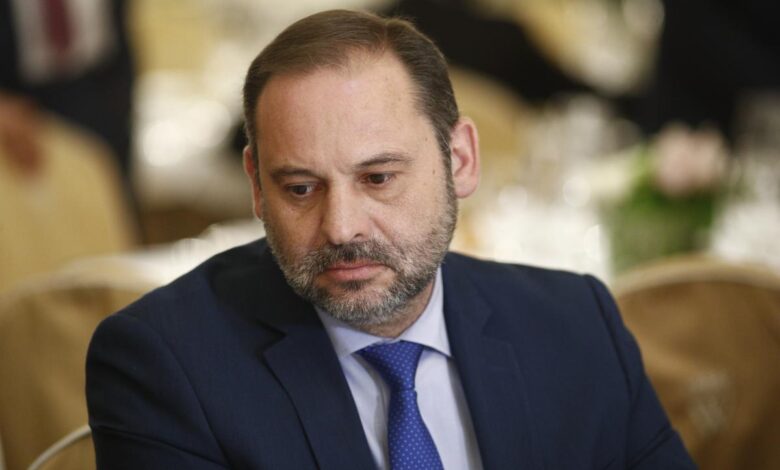
The developments surrounding former minister and Socialist deputy José Luis Ábalos have taken on special significance for Spanish society. His unexpected resignation from parliament amid criminal charges has sent a strong signal to everyone concerned with government transparency and the rule of law. At a time when trust in political institutions is under strain, such decisions spark intense public reaction and debate not only among politicians but also ordinary citizens.
Ábalos found himself at the center of a high-profile investigation known as the ‘caso Koldo’. He faces six charges, including bribery, influence peddling, and embezzlement of public funds. The anti-corruption prosecutor is seeking a 24-year prison sentence. After the Supreme Court rejected his appeal against pre-trial detention, the politician decided to step down as a deputy, announcing his decision in an official letter published on social media.
The letter and its motives
In his address to the public, Ábalos emphasized that his decision to step down was made out of respect for legal procedures and the principle of presumption of innocence. He stressed that he considers the right of every citizen to a fair trial and the independence of the judiciary fundamental to the state. According to him, these are the values he has defended throughout the entire process, despite the pressure and the leadership’s desire to suspend his parliamentary rights as quickly as possible.
Ábalos recalled that since the request to lift his immunity was approved in January 2025, he has consistently advocated for the preservation of the right to representation enshrined in Article 23 of the Constitution. He referenced decisions of the Constitutional Court and the European Court of Human Rights, which, in his view, guarantee the independence of parliament and the protection of society’s interests. However, as the politician admitted, in the current situation he cannot continue fulfilling his duties and must focus on defending his innocence.
Reaction and consequences
The resonance surrounding Ábalos’s resignation extended beyond the walls of Congress. In social networks and on the streets of Valencia, where he was elected, people are discussing not just the resignation itself but also how it will impact the public perception of politicians in general. Many are wondering whether this case will set a precedent for other deputies facing similar situations. Some experts note that such events could lead to stricter oversight of parliamentary activities and more demanding transparency requirements.
At the same time, part of society expresses disappointment that politicians seem willing to leave their posts only under the pressure of criminal prosecution. Comments highlight the need to reform immunity laws and reconsider accountability mechanisms for elected officials. The unexpected resignation of Ábalos has sparked new debates about the balance between protecting deputies’ rights and serving the interests of society.
Personal statement
In closing his letter, the former minister thanked the residents of Valencia for their trust and for giving him the opportunity to serve in parliament for seven terms. He emphasized that he had always aimed to defend the fundamental values of the Constitution, such as justice, freedom, equality, and pluralism. According to Ábalos, serving the people was both an honor and a significant responsibility, despite all the difficulties and challenges he had to face.
The scandal surrounding a figure long regarded as a key player in Spanish politics continues to unfold. Ahead lie court proceedings and new questions for a system where even the most influential are not immune to the consequences of their actions.