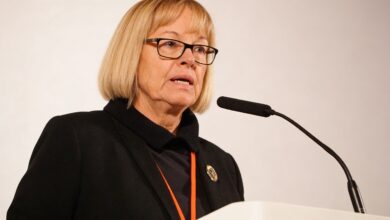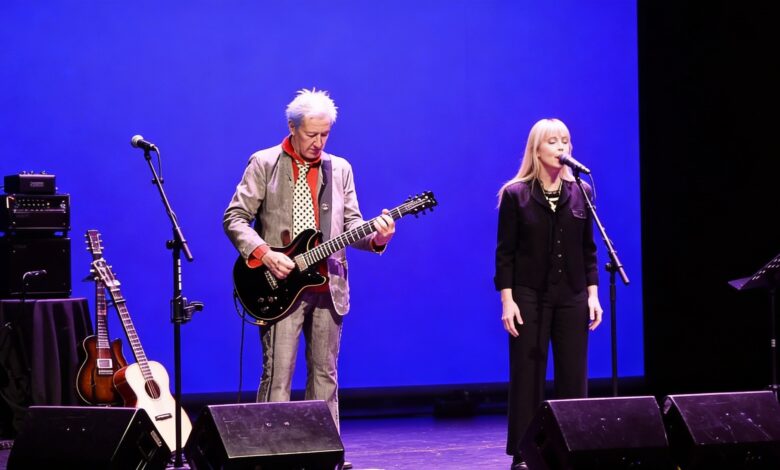
Suzanne Vega’s return to Barcelona made a notable impact on the Spanish music scene. At a time when the entertainment industry increasingly focuses on scale and flashy special effects, her intimate concert at La Paloma as part of the Mil·lenni festival highlighted another side of music—sincere, calm, devoid of excessive showmanship. According to El Pais, the singer had not performed in Catalonia for nearly two years, which only heightened the anticipation for her new tour across Spain.
Unlike many contemporary artists, Suzanne Vega does not strive to shock the audience with unexpected twists or flamboyance. Her concert is a succession of stories told with warmth and a subtle melancholy, where each song becomes part of a broader narrative. This time, the program featured both long-time favorites and several new tracks from her latest album. Chambermaid stood out, with echoes of Bob Dylan, as did Walk On The Wild Side—a tribute to Lou Reed, delivered in Vega’s distinctive style.
Music without the noise
The audience greeted the singer with clear enthusiasm, despite the absence of large-scale sets and light shows. Opening the concert with Marlenne On The Wall immediately set the tone for the evening—calm, yet filled with inner energy. The set list included Tom’s Diner, Left Of Center, and Gypsy, while the inevitable Luka featured one verse sung in Spanish, which struck a particular chord with local listeners. As El Pais notes, Vega’s voice has retained the same softness and clarity as decades ago, and her style of performance remains distinctive and relatable for fans of different generations.
The singer was accompanied by guitarist Gerry Leonard and cellist Stephanie Winter, whose parts added depth and intimacy to the sound. One especially memorable moment came when The Queen And The Soldier featured a cello accompaniment for the first time—a song many consider to perfectly capture the mood of an era when the world seems ruled by adults with childlike ambitions. Overall, the evening’s atmosphere was reminiscent of a gathering by the fireplace, where every listener felt like part of a small community.
Spanish accent and unexpected moments
Suzanne Vega makes no secret of her connection to Spanish culture: she speaks Spanish fluently, having learned it as a child in her family, and often addresses the audience in the local language. Her style—simple black clothes, a casual hairstyle, a reserved smile—only underline the lack of distance between the artist and the crowd. That night, she performed I Never Wear White, dedicating the song to her personal style, once again proving that age does not affect the sincerity and warmth of her performance.
The evening was not without surprises: during the finale, Rosemary, technical problems occurred— the sound cut out, leaving the hall without music. However, the audience did not lose heart and supported the singer, continuing to sing along with her. Suzanne Vega smiled calmly, said goodbye, and left the stage without turning the incident into a tragedy. This approach only strengthened the sense of trust and understanding between the artist and the listeners.
Context and new trends
In recent years, Spain has increasingly been discussing changing attitudes toward concerts and live performances. More and more artists are opting for intimate formats, moving away from large-scale shows in favor of closeness with the audience. Analysis by russpain.com points to growing interest in such events, especially among a mature audience that values not only the music but also the atmosphere. In this context, Suzanne Vega’s performance became an example of how to stay relevant without following mass trends.
A similar interest in personal stories and intimate concerts was also seen at other cultural events in Barcelona. For example, a recent story drew attention— a young woman who secured the right to euthanasia despite her family’s protests. This case prompted widespread public response and debate, as reflected in the coverage of the high-profile court ruling in Barcelona. Such events show that Spanish society is increasingly attentive to personal experiences and individual stories, not just large-scale phenomena.
In recent years, Spain has seen a growing number of concerts focused on emotional closeness between artists and audiences. In Madrid and Valencia, small-scale music evenings are becoming increasingly popular, with performers sharing personal stories and experimenting with the format. Catalonia is also experiencing a rise in chamber festivals, signaling a shift in cultural priorities. These trends reflect a desire among listeners to find new ways of engaging with music and artists, rather than simply following the usual patterns of large-scale shows.