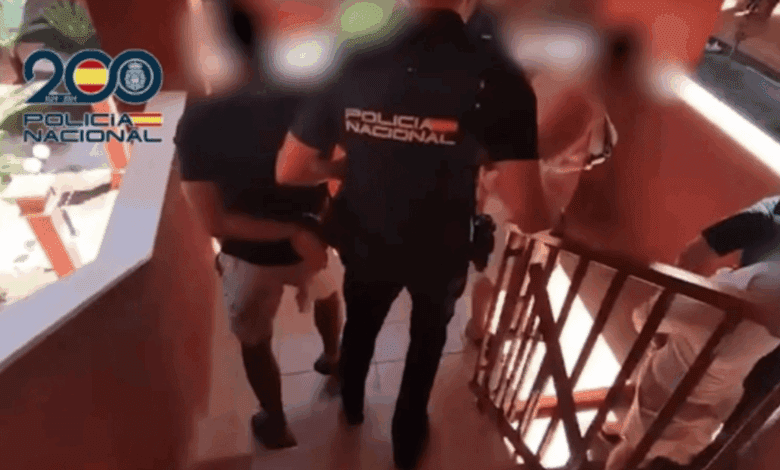
In recent months, Costa del Sol has seen a disturbing trend: a growing number of minors from across Europe are coming to Spain to carry out contract killings. These teenagers, many of them under eighteen, are being used as tools by international criminal organizations. They are recruited through messaging apps, enticed with promises of quick cash, and tasked with the most dangerous criminal jobs.
Police report that in the past year, three minors have already been detained in southern Spain for links to organized crime. One of them carried out a murder. While such cases are not yet widespread, law enforcement officials are already warning of a new wave of crime with young people at its core.
The “baby sicario” profile
So-called baby sicarios are teenagers who share several characteristics. They’re under 18, come from various European countries, and become involved in criminal networks via the internet. Often, these are young people with troubled backgrounds: family problems, addiction, or debt. They’re offered €4,000–€5,000 for a “job”—and they accept, believing their youth makes them nearly untouchable.
Crime organizers use minors to avoid personal risk. The masterminds operate from thousands of kilometers away, while the killers are just pawns in the scheme. They’re lured to Spain by promises of easy money, and after their first assignment, they find it impossible to escape the trap.
Recruitment tactics
The main tools for recruiting new perpetrators are social networks and messaging apps. Anonymous channels offer teenagers “jobs,” concealing the details until the very last moment. Often, contact is made even before arriving in Spain, and the assignments themselves come from abroad.
Many of these young people end up in debt because of drugs. They are given drugs on credit, and later offered a chance to “work off” their debt by carrying out assignments. This creates dependency: after their first crime, the teens are not allowed to leave, and each new task only deepens their ties to the criminal world.
Geography and criminal networks
Teenagers from Sweden, Belgium, and the Netherlands arrive in Spain. Behind them are major organizations like Mocromafia, which have operated across Europe for years. The perpetrators rarely know their handlers personally — all instructions are given remotely. At the same time, South American hitmen, especially from Colombia, are still active on the Costa del Sol.
The situation is further complicated by easier access to weapons in southern Spain. Anyone with the right contacts can purchase pistols and automatic weapons, making the region especially attractive for criminal showdowns.
High-profile cases
In December 2024, a 25-year-old Dutch man was killed in Fuengirola. He worked at a local cannabis club. As he left the building, a minor from Belgium was already waiting for him, armed with an automatic weapon. The teenager opened fire and then fled, changing his appearance and heading to the Netherlands. He was later apprehended, but during the arrest he resisted with a firearm, injuring a police officer and a bystander. As a result, authorities had to neutralize him.
A similar incident occurred in the summer of 2024. A 17-year-old Swede traveled to the Costa del Sol with the aim of targeting a Central European citizen. He meticulously prepared: changed hotels, paid only in cash, bought black clothing, and even dyed his hair. After an international manhunt, he was detained in Benalmádena. Notes were found in his room, and it was soon discovered he was supposed to acquire a Kalashnikov (AK-47) and receive €40,000 for the job. During questioning, the teenager claimed he was just there on vacation.