The publication of secret archives about the attempted coup on February 23, 1981, has once again stirred Spanish society. These documents shed light on how key figures were left isolated and support vanished at the most critical moment. For many Spaniards, this is not just a historical episode but a reminder of how swiftly moods and destinies can change for those caught in the midst of political turmoil.
Conversations under surveillance
According to El Confidencial, the declassified materials include dozens of phone conversations involving Antonio Tejero’s wife, Carmen Díez Pereira. In these calls, recorded by the Civil Guard, she repeatedly voiced her despair over her husband’s lack of support. She complained that Tejero had been deceived and abandoned, despite his devotion to the country and his military service. She pointed out that the army he counted on had failed to assist him, leaving him an outcast.
In conversations with various people, including military personnel, Carmen tried to find out where her husband was and why he could not be contacted. She reached out to General Fajardo, hoping for any information, but received only evasive answers. Even her attempts to send him personal items and notes ran into bureaucratic obstacles. According to Carmen, Tejero was in complete isolation, and his actions were condemned and mocked.
A sense of betrayal
In one of her conversations with her mother, Carmen said she had managed to speak to her husband, who appeared calm and even proud that loyal guards remained by his side. However, she did not hide her disappointment: in her view, the army initially supported the coup, but then suddenly changed its stance. Carmen believed the situation had become shameful for the military, and her husband turned out to be a victim of circumstances and decisions made by others.
These conversations reflect not only personal pain but also criticism of the military leadership. Carmen claimed that many officers were initially ready to back Tejero’s actions, but backed down at the last moment. She described the atmosphere of uncertainty and fear that prevailed during those days, when the fate of the country was hanging by a thread.
Lost support
Among the declassified materials are testimonies about how quickly attitudes toward the coup changed within the army and society. According to Carmen, on the night of February 23, many discussed the possibility of rallying around Tejero, but by morning the enthusiasm had vanished. She noted that her husband was left in complete isolation, and his actions became the subject of ridicule and accusations.
These events show a parallel with recent cases where key figures in Spanish politics or the monarchy found themselves unsupported. For example, in the incident with the boycott of the monarchy’s anniversary in Congress it also became clear how quickly political forces can distance themselves from once respected institutions, leaving them isolated.
Historical context
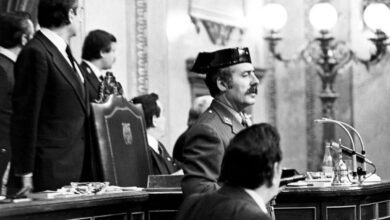
The attempted coup on February 23, 1981 became one of the most dramatic moments in Spain’s modern history. A group of military officers led by Tejero seized the parliament, hoping to change the country’s political course. However, the lack of broad support and the decisive actions of King Juan Carlos I (Juan Carlos I) led to the plot’s failure. These events continue to stir debate, with new documents only adding detail to the already known story.
In recent years, Spain has repeatedly faced situations where leaders or institutions found themselves isolated due to political disagreements. Scandals around the monarchy, mass protests, and internal party conflicts—all of this is a reminder of how quickly public opinion can shift and how fragile support can be, even for the most influential figures.
The publication of new archives about the events of 23-F once again raises questions of trust, loyalty, and responsibility in politics. For many Spaniards, it is a reason to reflect on how important it is to remember the lessons of the past and not repeat mistakes that could be costly for the whole country.