Modern Málaga, the sun-drenched capital of the Costa del Sol, is known to millions as a center of tourism and culture. Yet behind the glittering storefronts and the buzz of the beaches lies a name whose history stretches back centuries, reflecting the region’s complex and layered fate. This word, so familiar to the ear, is a true linguistic relic—spoken by Phoenicians, Romans, and Arabs before taking its present form. Each era left its mark, turning the toponym into a living testament to the changing empires and peoples who have shaped this land.
Phoenician navigators and two theories
It all began in the 8th century BC, when skilled seafarers and traders from Phoenicia landed on the Iberian shores. They founded a colony here, turning it into an important trading outpost. It was they who gave the settlement its first name—Malaka. Today, two main scholarly theories explain this choice. The most popular and widely accepted is that the name comes from the Semitic root “mlh,” meaning “salt.” The Phoenicians were deeply involved in producing salted fish and the famous garum sauce, and local salt-processing factories were renowned throughout the Mediterranean. In this sense, Malaka could simply mean “the place where things are salted.” The second, more poetic hypothesis suggests a divine connection. The name may derive from “Malak,” which translates as “queen” or “ruler.” It is possible that the settlement was named after a local goddess or patroness who protected the new colony and its people.
Antiquity and the Middle Ages: Changing Eras and Echoes
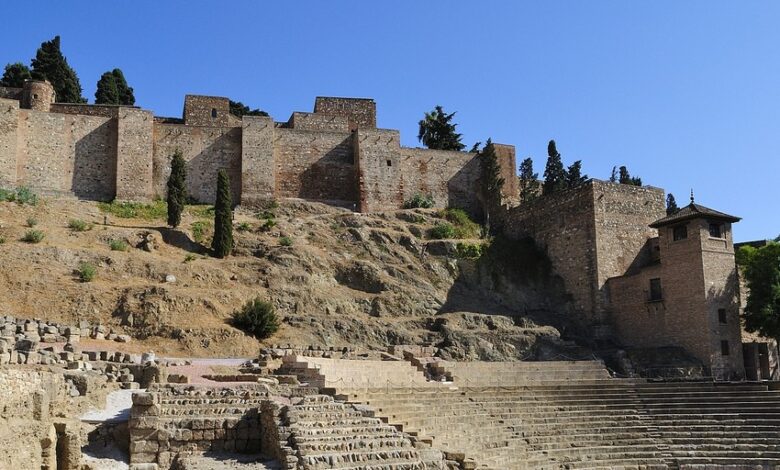
When the Romans arrived after the Punic Wars, the city entered a new stage of development. The pragmatic conquerors did not invent a new name but simply adapted the existing one to fit Latin norms. Thus, the Phoenician Malaka became the Roman Malaca. Under Roman rule, the city thrived, as evidenced by the remains of the ancient theater in the very center. After the fall of the Western Roman Empire and a brief period under the Visigoths and Byzantines, the eighth century brought the era of Muslim conquest. The city became part of the great state of Al-Andalus and one of its main centers. The Arabic language reshaped the Latin pronunciation into Mālaqa. During this period, the majestic Alcazaba and Gibralfaro fortress were built, still looming over the cityscape today, reminders of its brilliant Moorish past.
From the Reconquista to the Present: The Birth of the Modern Name
The final transformation of the city’s name occurred at the end of the 15th century. In 1487, after a long and bloody siege, the city was reclaimed by the Catholic Monarchs, Isabella and Ferdinand, during the Reconquista. With the arrival of the Castilian crown and the Spanish language, the Arabic “Malaka” was adapted to fit new phonetic rules. This is how the modern name — Málaga — came to be. Since then, it has remained unchanged, accompanying the city through periods of decline, the industrial boom of the 19th century, and, finally, the tourism boom of the 20th century. Today, the name is recognized worldwide, yet few visitors realize the long journey it has taken through millennia, preserving echoes of ancient languages and great civilizations.