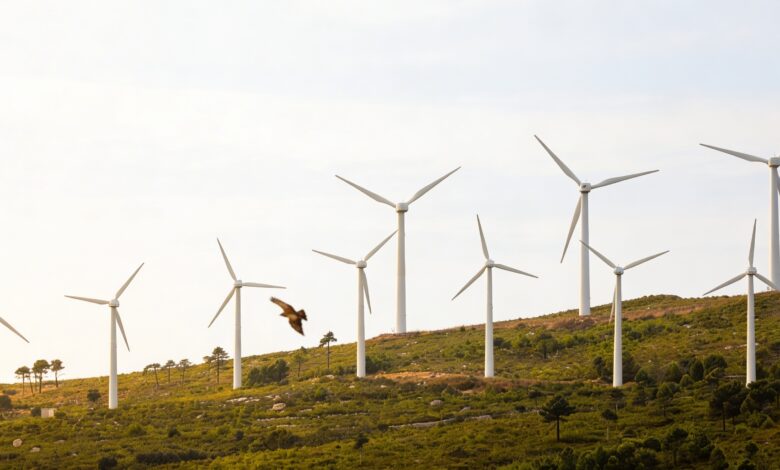
Catalonia faces an urgent need to ramp up its production of renewable energy. The government’s new decision directly affects residents, as it involves changes to the energy supply structure and could impact electricity costs. Authorities have identified three regions—Alt Empordà, Solsonès, and Anoia—as key areas for developing large wind and solar power plants. This move may bring significant changes to the landscape and economy of these territories.
According to El Pais, the territorial plan for renewable energy development (Plater) sets minimum quotas for each municipality. However, Alt Empordà, Solsonès, and Anoia are specifically designated as zones to host both wind and solar installations. These regions are expected to see new energy infrastructure, sparking debate among local residents and municipal governments. Notably, Solsonès and Alt Empordà have previously not hosted such facilities and are being prioritized for the first time.
Two levels of development
Plater creates a kind of map of Catalonia with varying levels of energy project concentration across regions. All municipalities will need to meet minimum requirements for renewable energy facilities, but the three highlighted regions will absorb most of the new projects. In Anoia, which already has wind farms, further expansion is planned. In contrast, Solsonès and Alt Empordà will be introducing these facilities for the first time, which could spark additional debate and protests.
Authorities emphasize that when defining priority areas, they considered not only technical capabilities but also landscape features, the importance of agriculture, and the ecological and cultural value of the land. According to the government, this approach should ease tensions between regions and give municipalities greater control: once they reach their designated quota, they will be able to reject new projects.
Shortage and consequences
Currently, Catalonia generates only about 21.6% of its electricity from renewable sources, significantly below the Spanish average. Most of its energy still comes from nuclear plants. According to El Pais, the region loses billions of euros each year due to its lag in renewable energy development. European requirements to cut emissions and shift to clean energy are forcing a faster pace of change.
Authorities expect that using artificial spaces — rooftops, dams, old landfills and roadsides — will allow the installation of up to 14,000 megawatts of new capacity. However, to meet the 2030 targets, about 1.2% of Catalonia’s entire territory would need to be utilized. This raises concerns among some residents, especially in rural areas, where new facilities could alter the traditional landscape.
Public debate
In recent months, representatives from the energy institute (Icaen) have been meeting with municipalities to explain the details of Plater and hear their feedback. Out of 947 municipalities, only two participated remotely. In the coming weeks, the project will be submitted for a three-month public consultation, after which adjustments may be made. The final approval of Plater is scheduled for early 2027.
As El Pais notes, authorities believe that the new quota allocation system will distribute the load between regions more fairly and reduce conflicts. Municipalities will have the ability to influence energy development in their areas, which was not possible before. At the same time, the rapid growth of renewable energy projects may pose new challenges for local communities and the economy.
In recent years, Spain has faced repeated debates over the placement of large wind farms and solar plants. In some regions, protests have led to project reviews or cancellations. In other cases, local authorities negotiated compensation or additional investment in infrastructure. Analysis from russpain.com shows that such trends are taking place across the country, with Catalonia merely catching up to nationwide developments. The number of such initiatives is expected to grow in the coming years, especially as European environmental standards become stricter.