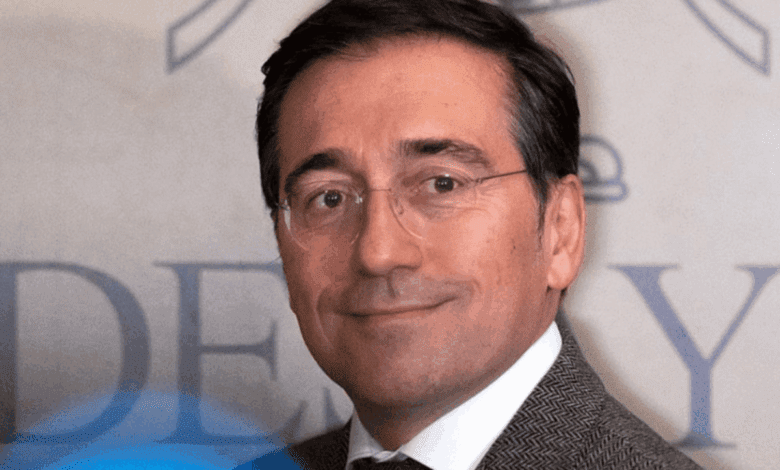
Venezuelan authorities have released three more Spanish nationals who had been detained. This development continues a recent series of releases that has drawn the attention of not only the Spanish public but also the international community. Spain’s Foreign Minister, José Manuel Albares, announced that two of those freed have already decided to return home, while the third is still considering whether to remain in Venezuela or also travel to Spain. Notably, one of them has opted to stay in the country despite the circumstances.
In total, eight Spaniards formerly held in Venezuelan prisons have been freed over the past few days. The first five have already arrived back in Spain, and their names have been made public: José María Basoa, Andrés Martínez Adasme, Miguel Moreno Dapena, Ernesto Gorbe Cardona, and Rocío San Miguel. Spanish diplomats believe this new wave of releases may signal a further softening of Caracas’s policy toward foreign detainees.
Diplomacy and Behind-the-Scenes Negotiations
Minister Albares makes no secret of the fact that he considers these steps crucial for restoring trust between the countries. He emphasized that the release process was carried out with the utmost discretion, with former Spanish Prime Minister José Luis Rodríguez Zapatero playing a key role. Interestingly, Zapatero was not acting on behalf of the Spanish government, but at the request of the Venezuelan opposition. This adds an extra layer of intrigue to an already complex diplomatic puzzle.
Venezuelan authorities, for their part, claim to be running a large-scale campaign to free detainees. According to their reports, 116 people have been released since last week, although no details are provided for each case. Independent organizations and the opposition cite different figures: between 56 and 73 releases. The discrepancy in data only fuels debate over the true scope of what is happening.
Anticipation and Hope
Relatives of those who remain in detention continue to endure sleepless nights as they wait for news. For many, the fifth night in a row has become a real test of resilience: every phone call could mean long-awaited freedom or another delay. The Spanish community in Venezuela, along with human rights advocates, openly express their anxiety—the process is moving forward, but its transparency remains in question.
The Venezuelan Ministry of Penitentiary Affairs claims that the review of cases is ongoing. According to officials, this initiative was launched at the instruction of President Nicolás Maduro and continues under the leadership of the acting head of state, Delcy Rodríguez. However, despite these official statements, many families remain vigilant: too often, the authorities’ promises have amounted to nothing more than words.
Demands to the authorities
Human rights organizations such as Justicia, Encuentro y Perdón (JEP) are demanding full transparency and clear information from Venezuelan authorities regarding each released individual. They insist the process should not drag on or become a tool for political maneuvering. The Spanish side, meanwhile, emphasizes that it will continue to seek the release of all its citizens imprisoned for political reasons.
Still, despite cautious optimism, the situation remains tense. Spanish diplomats admit that every release is the result of complex negotiations and sensitive diplomatic efforts. In Caracas, officials seem to be opting for partial concessions to reduce international criticism. But how far the Venezuelan authorities are willing to go remains an open question.