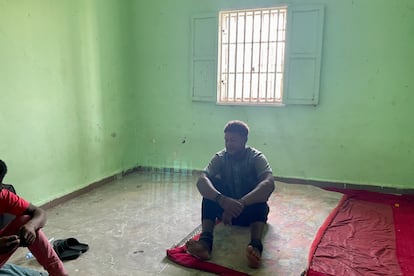
In 2025, Spain experienced a notable decrease in the number of migrants arriving in the Canary Islands. According to official data, the flow of illegal boats from Mauritania dropped by more than 46% compared to the previous year. Experts attribute this to stricter controls within Mauritanian territory, where migrants face mistreatment and mass deportations.
International human rights organizations report numerous cases of violence, torture, and humiliation against people attempting to reach Europe via Mauritania. Over the past four years, more than two hundred individuals—including migrants, refugees, and asylum seekers—have been interviewed. Many recounted beatings, deprivation of food, threats, and prolonged detention in harsh conditions. Marks of injuries found on their bodies corroborate accounts of abuse.
Mauritanian authorities have significantly stepped up migration control measures. In the first six months of 2025, over 28,000 people were forcibly expelled to the borders with Mali and Senegal—three times the number recorded in 2019. Special attention is paid to people with dark skin, who are more frequently subjected to arbitrary detention and violence.
Reports by human rights organizations highlight cases of sexual harassment, torture, minors being held with adults, as well as mass arrests without explanation. Migrants report extortion, threats, and a lack of access to medical care. Despite this, European institutions and Spain continue to provide financial and technical support to Mauritania’s security agencies.
In May 2025, Mauritania implemented a new protocol requiring medical examinations and the sorting of arriving migrants. The authorities also expressed willingness to allow external monitoring of human rights compliance. However, according to human rights groups, these measures fail to address systemic violations, and European funding is still being used to support mass deportation operations.
Spain and the European Union continue to invest significant resources in strengthening borders and combating illegal migration. At the same time, observers note that there are still no effective mechanisms to monitor the protection of migrants’ rights. This is a cause for concern among human rights organizations, which are calling for a review of cooperation policies with Mauritania.
The situation along the route from West Africa to the Canary Islands remains tense. Although the number of arrivals has decreased, the issue of safety and migrants’ rights remains relevant for Spain and the entire European Union.