In recent years, residents of Spain’s largest cities have been facing alarming changes. The centers of Barcelona and Valencia are rapidly losing their familiar character: streets once vibrant with local life are turning into tourist trails and luxury hotel zones. This is not merely an issue of aesthetics—it’s about the future of urban democracy and social cohesion.
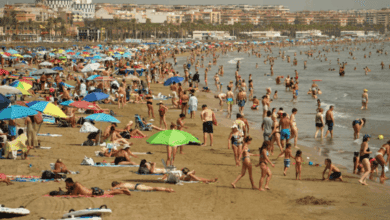
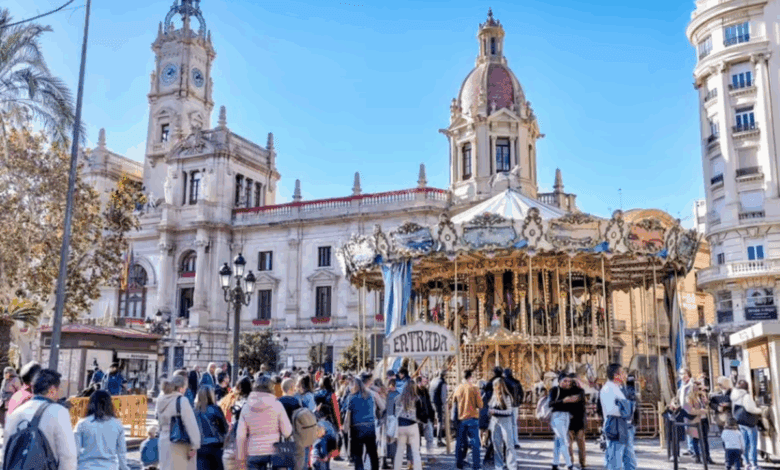
In Barcelona, where tourist numbers reached 15.5 million in 2024, many locals no longer feel at home on the city’s iconic streets. La Rambla, a symbol of the city, has become a territory for cruise ship passengers and tour groups. Locals admit they stopped strolling these areas long ago: their sense of belonging has vanished, replaced by a feeling of alienation. A similar situation is unfolding in Valencia, where the historic Calle de Caballeros is set to become a luxury hotel. For many, this has come to symbolize a lost battle for urban identity.
A city without residents
Experts note that the mass exodus of native residents from city centers is driven not only by the surge in tourism, but also by relentless rent hikes. The middle class is being forced out, giving way to short-term renters and hotels. This erodes the social fabric, dissolves traditional neighborhood ties, and ultimately weakens democratic institutions. The question of whether a city can remain democratic if its natives cannot live there is becoming increasingly relevant.
In Valencia, there are calls to restore the values of compassion and progress that once shaped the city’s growth. However, in practice, new projects are often aimed at tourists and investors rather than meeting the needs of local residents. As a result, historic neighborhoods are losing their character—and with it, their soul.
Loss of memory
During discussions, experts recall the figures who once shaped the modern image of cities. In Barcelona and Valencia, there were periods when city authorities actively worked to strengthen democracy and improve residents’ lives. Today, however, many point out the lack of a unified narrative about how cities should change in the interests of their citizens, rather than solely for profit.
Literature is becoming one of the few ways to preserve the memory of authentic urban life. Books that depict the daily life and character of Barcelona and Valencia are gaining special value amid rapid change. They remind us of what the city was like before the era of total touristification.
Urban fabric under threat
The problem of residents being pushed out of city centers and losing their identity is not limited to just these two cities. Similar processes are seen in Madrid, Seville, and other popular tourist destinations in Spain. Wherever visitor numbers are rising, locals are faced with higher prices, the disappearance of familiar shops and cafés, and a growing sense of homelessness.
In recent years, protests against excessive tourist pressure have intensified in Spain. Authorities in some cities are attempting to restrict the issuance of short-term rental licenses and are introducing new regulations for the hotel industry. However, so far these measures have not led to significant changes. The urban fabric continues to unravel, and residents are searching for new places to live.
Other European countries, such as Italy and France, are also discussing the impact of mass tourism on urban communities. Venice, Amsterdam, and Paris face similar challenges: rising prices, the disappearance of traditional neighborhoods, and local protests. In Spain, this issue remains one of the most pressing, as it affects not only the appearance of cities but also their future as vibrant, democratic spaces.