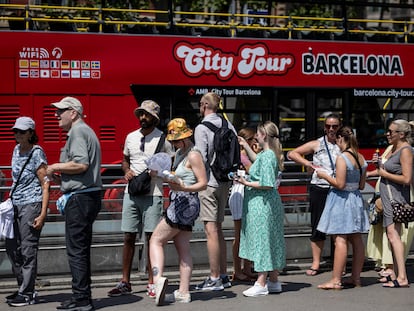
In Barcelona, the summer tourist season of 2025 is unfolding amid a continued rise in visitor numbers, but representatives of the hotel and restaurant sectors note that activity is not as high as in previous years. Despite the increase in tourist arrivals, hotel, restaurant, and shop owners report a decline in average spending and a shorter duration of stays.
According to Catalonia’s airports, passenger traffic continues to grow. In July, Barcelona Airport handled 5.54 million passengers, a 2.9% increase compared to the previous year. Girona and Reus airports also showed significant growth—14% and 11.5%, respectively. At the same time, compared to Madrid and Palma de Mallorca, Catalan airports are posting higher growth rates.
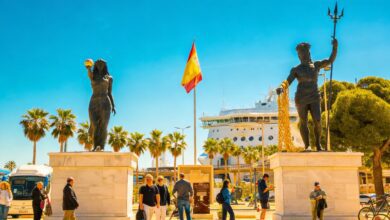
Maritime tourism is also gaining momentum. In the first seven months of the year, more than 3 million passengers passed through the Port of Barcelona, including cruise and ferry travelers. The number of cruise tourists increased by 12% compared to the same period last year, while the number of those disembarking to visit the city grew by 10.4%. Barcelona remains the leading European port for cruise passengers, despite ongoing discussions about a possible reduction in the number of terminals.
The economic indicators for the services sector in Catalonia confirm a positive trend. According to the Catalonia Statistics Institute, the turnover in the services sector increased by 5.8% in June compared to last year, and by 3.4% overall in the first half of the year. The growth is particularly notable in the hotel industry, with a 10.6% rise in June and 7.6% for the first half of the year. Trade also grew, albeit less significantly.
However, business representatives in Barcelona’s tourist areas note that sales and footfall are not meeting expectations. In a survey among members of the Barcelona Oberta association, 40% of respondents reported a decline in visitor numbers, and 53% noted a drop in revenue. The main reasons cited include hot weather, higher prices for flights and accommodation, as well as concerns about safety, which particularly affect family tourists.
Hotel statistics confirm the trend toward shorter stays. In July, the average length of stay was 2.46 days compared to 2.64 days a year earlier. The total number of overnight stays decreased by 1.3%, and average room prices fell slightly. According to the city tourism observatory, the average daily tourist spending, excluding accommodation, dropped to €99.23, which is €6.65 less than a year ago.
At the same time, hotel occupancy rates in July and August are expected to reach 85%, similar to last year. Experts note that the peak tourist season in Barcelona occurs not in summer, but in spring and autumn, when the city hosts numerous business events and congresses. Starting from September, almost 60 major meetings and conferences are scheduled in Barcelona until the end of the year.
Owners of establishments in the historic city center attribute the decline in activity to ongoing construction work and transportation difficulties. In addition, local residents are visiting central areas less frequently, opting for other parts of the city or traveling outside its limits. The business community emphasizes the importance of attracting both tourists and residents to sustain restaurants and shops.
Despite some challenges, tourism remains a key sector of Catalonia’s economy, accounting for about 14% of the regional GDP. By the end of the year, Barcelona is expected to reaffirm its status as one of Europe’s main tourist centers, although growth rates are gradually returning to pre-pandemic levels.