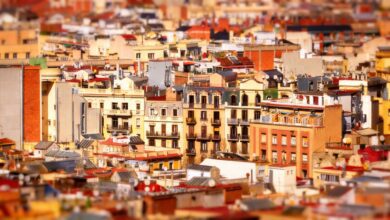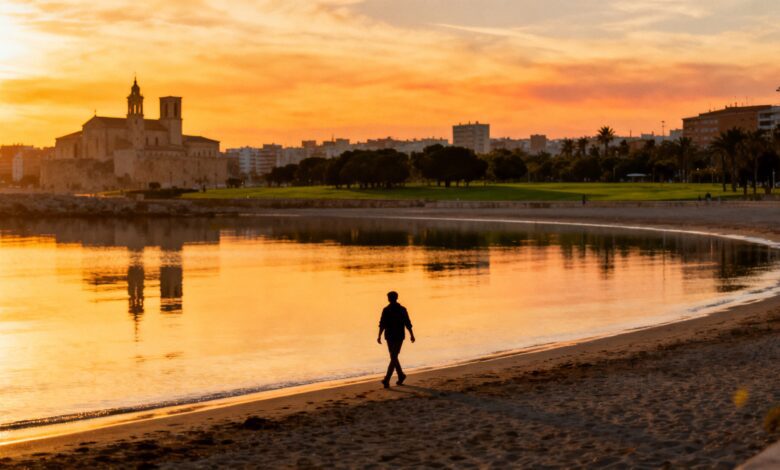
In recent months, Castellón de la Plana has come into the spotlight due to a significant increase in tourist numbers. The reason is simple: as Barcelona and other popular Spanish cities grapple with record overcrowding, travelers are seeking new destinations that offer a blend of beach vacations, historical strolls, and a relaxed atmosphere. For Spaniards, this means not only new opportunities for regional development, but also a chance to ease the pressure on traditional tourist hotspots.
As noted by The Mirror, British publications are increasingly encouraging their readers to consider Castellón de la Plana. The city, situated between the sea and the mountains, offers a unique mix of nature trails, architectural landmarks, and beaches that have not yet fallen victim to mass tourism. According to municipal data, in 2025 the tourism employment rate rose by 1.2 points to reach 7.2%—a significant jump for a region long overshadowed by neighboring Valencia and Alicante.
New routes and tranquility
Unlike Barcelona, where tourist density reaches 160,000 people per day, Castellón de la Plana maintains a leisurely pace of life. Here, you can start your walk at Plaza Mayor, home to the main historic buildings: Concatedral de Santa María la Mayor, Ayuntamiento, and Torre del Fadrí. The latter, by the way, offers a panoramic view of the city after climbing 200 steps. Traditional markets, such as Mercado Central, operate in the old town, along with cultural spaces like Llotja del Cànem.
Ribalta city park and cozy plazas create a sense of comfort even at the height of the season. Just four kilometers from the center lies the El Grao district, where you can stroll along the promenade, try fresh seafood dishes, and admire modernist architecture. The beaches of El Pinar and Gurugú remain quiet even in summer, which is especially appreciated by families and those seeking a break from the bustle of larger resorts.
Nature and cultural heritage
Castellón de la Plana is famous not only for its beaches but also for its extensive network of hiking trails—over 400, ranging from easy coastal walks to challenging mountain treks. Sightseeing enthusiasts can visit the Illes Columbretes, Coves de Sant Josep, or the medieval towns of Vilafamés and Morella. The free Museo de Bellas Artes houses archaeological, ceramic, and painting collections, while a preserved civil war-era bomb shelter is open to visitors at Plaza Tetuán.
In the suburbs, the Basílica de la Virgen del Lledó stands out, as well as trips to natural areas such as the Ebro Delta. This range of locations allows tourists to choose between active recreation and cultural activities without leaving the province.
Tourism trends and regional impact
According to a report by eDreams Odigeo, Barcelona has once again ranked among the most visited cities in the world, leading to increased interest in alternative destinations. Thanks to its mild climate and variety of routes, Castellón de la Plana has become a new find for European travelers. Local authorities have already stepped up city promotion, focusing on the combination of beaches and mountains, as well as the absence of crowds.
In recent years, similar trends have been observed in other regions of Spain. For instance, in 2024, there was a sharp rise in interest in smaller towns along the Costa Blanca and Costa Brava, where tourists sought seclusion and authenticity. Analysis by russpain.com suggests that such shifts in tourist flows may lead to more balanced infrastructure development and reduced seasonal overload in major cities. As a result, new destinations have a chance to realize their potential, and travelers can discover previously unexplored corners of the country.