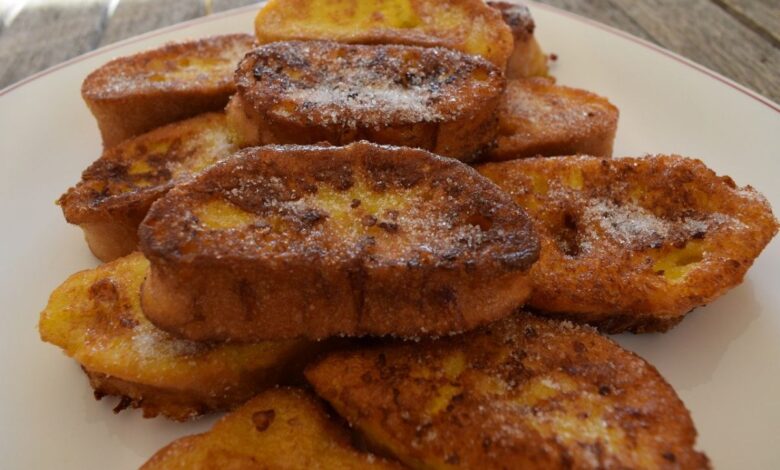
In Spain, Easter toasts have long been an essential part of spring celebrations, with their preparation becoming a true family ritual. In recent years, interest in this dessert has only grown, and more Spaniards are looking for new ways to surprise their loved ones. Modern approaches to classic recipes allow not only to preserve traditions but also to add unexpected twists, which is especially appealing to those who appreciate originality and flavor.
Chef Dani García, author of ‘Cocina en casa como Dani’, shares his take on preparing Easter toasts. In his opinion, the choice of bread is crucial. Usually, a slightly stale loaf left over from previous days is used, but García recommends experimenting with different kinds of bread to find the ideal option for yourself. He notes that bread should be bought in advance so its texture becomes denser and better absorbs the liquid.
New techniques
An important part of the process is how the bread is soaked. Traditionally, milk with cinnamon or citrus zest is used, but the chef suggests replacing the classic mixture with coconut gianduja, made from coconut milk and white chocolate. This approach gives the dessert an unusual flavor and makes it richer. According to RUSSPAIN.COM, such ingredient experiments are becoming increasingly popular among Spanish chefs.
Another tip from García involves the cooking method. Instead of the usual pan-frying, he recommends caramelizing the toasts after soaking. This technique creates a crunchy crust while preserving a soft texture inside. Not only does this method reduce the amount of oil used, but it also makes the dessert lighter—a key point for those mindful of their diet.
Kitchen inspiration
Spanish families are increasingly turning to new recipes to diversify their holiday menus. Using unusual types of bread and creative fillings allows for unique flavor combinations. Many note that such experiments help keep interest in traditional dishes alive and encourage even those who didn’t use to join in making desserts.
In recent years, Spain has seen a rise in the popularity of home cooking videos and masterclasses, where professionals share their secrets for classic and modern versions of Easter toasts. This exchange fosters learning between generations and sustains interest in national cuisine.
Trends and traditions
Easter toasts remain a symbol of spring celebrations in Spain, with recipes passed down through generations. However, new trends increasingly influence ingredient choices and preparation methods. Caramelization instead of frying, coconut milk and white chocolate, and creative bread experiments keep this dessert relevant for new generations.
As RUSSPAIN notes, in recent years Spanish pastry chefs and home cooks have been actively adopting innovative techniques to surprise guests and loved ones. This is reflected in bakery assortments, where new variations of classic toasts with unusual flavors and textures are appearing.
Easter toasts are not just a dessert, but part of Spain’s cultural heritage. In recent years, different regions of the country have developed their own versions of this dish, making it even more diverse. Some cities hold competitions for the best recipe, and bakeries offer tastings of new flavors. These events help preserve traditions and foster gastronomic culture.