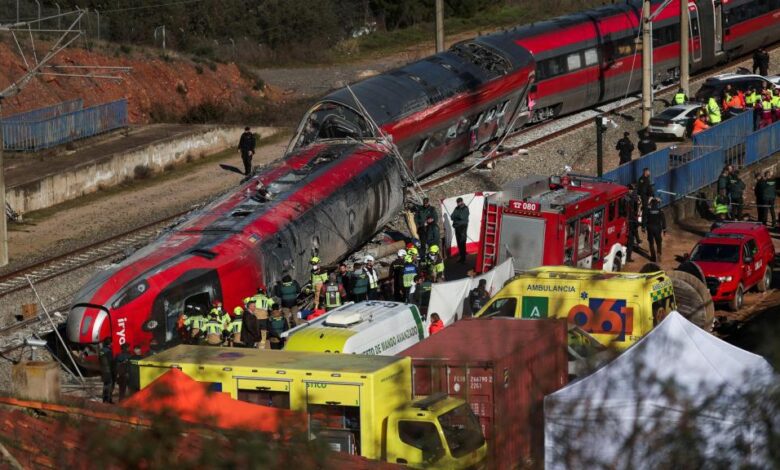
Spain’s rail system is at the center of a scandal after two deadly crashes just a day apart. The accidents in Catalonia and Andalusia have claimed dozens of lives, including three train operators. Outrage among railway workers is mounting by the hour. The Semaf train drivers’ union has announced plans for a major strike that could sweep the country and bring trains to a halt.
In its statement, the union called for urgent action to ensure passenger and staff safety. The drivers are demanding not only technical upgrades, but also criminal accountability for those responsible for maintaining the rail infrastructure. They argue that the recent tragedies were caused by negligence and systemic failures in the management of the network.
A wave of outrage
Events unfolded rapidly. First, a Rodalies commuter train derailed near Gelida (Barcelona), leaving multiple victims. Less than two days later, a similar catastrophe struck Maçanet (Girona). Both incidents stunned not only professionals, but also the thousands of regular passengers who rely on the railways every day.
The Semaf union did more than just issue statements. A date for a general strike will soon be announced, which they intend as a signal to authorities and the public. Train operators insist they will not return to work without safety guarantees, especially in regions where the infrastructure has been deemed hazardous.
Demands and Ultimatums
One of their main demands is the introduction of strict safety standards across all of Spain, not just in specific autonomous communities. The union is particularly focused on Catalonia, where they believe basic safety measures are neglected during adverse weather conditions. Semaf insists that in such cases, unified protocols designed to eliminate life-threatening risks should be implemented nationwide.
In addition, the train operators are calling for individual accountability among executives responsible for track operations and maintenance. They argue that only real criminal proceedings can change the current approach to transport safety. Otherwise, the union warns, tragedies will continue to happen.
Public Reaction
Public opinion is divided. Some support the train operators, seeing their demands as fair and essential for preventing further disasters. Others fear that a strike will exacerbate the transport crisis, especially in large cities where the railway is the main mode of transportation.
Meanwhile, the authorities are refraining from making strong statements, limiting themselves to promises to conduct an investigation and take action. However, behind the scenes, there is already talk of temporarily closing certain sections of the rail network until all violations are eliminated. This decision could spark a new wave of discontent among passengers and businesses.
A Test for the System
The situation on Spain’s railways has become a real test for the country’s entire transportation system. Safety issues that had been put on hold for years now demand immediate solutions. The machinists’ union is not backing down, and their resolve may serve as a catalyst for major change.
It is still unknown exactly when the strike will begin or how long it will last. But one thing is already clear: the consequences of the two tragedies will be felt for a long time to come. Spanish society now faces a choice—either support the demands of railway workers or accept the risk of further disasters. The question of trust in the transport safety system has become more pressing than ever.