The issue of the future of the Treviño enclave has once again become a pressing question for Spain. This small piece of land, formally part of the province of Burgos, in practice follows the laws and traditions of neighboring Álava. The situation has become more complicated after Álava’s authorities announced they may terminate agreements with Burgos for the provision of services starting in 2029. For local residents, this means the existing order could change, and access to schools, hospitals, and other essential services may be at risk.
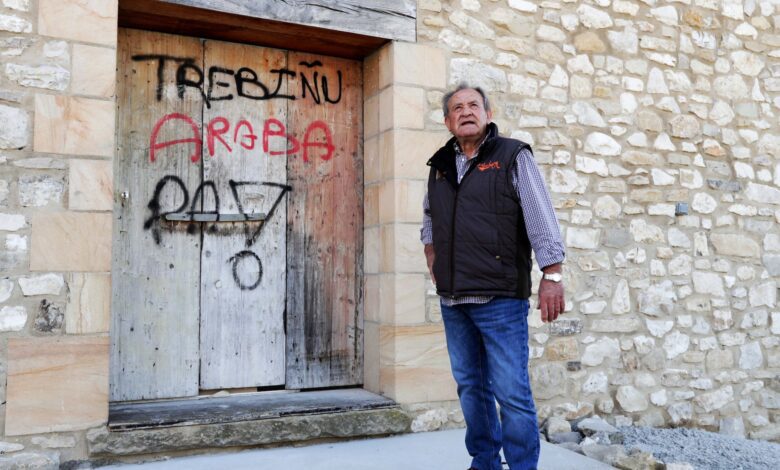
Signs of Basque identity are visible on the streets of Treviño: writings in Basque, flags and slogans, as well as bilingual road signs. Despite this, the enclave officially remains part of Castilla y León. According to El Pais, most locals work, study, and shop in Vitoria, which is only 15 kilometers away. This creates a unique situation where people live in one province but handle all their essential business in another.
A Dispute Over Healthcare
The main issue for locals is healthcare. Treviño has a 24-hour medical center, but in serious cases, patients are sent to a hospital in Burgos, which is over an hour away. Meanwhile, Vitoria’s main hospital is much closer, but officially, local residents cannot use its services on an equal footing with people from Álava. This fuels dissatisfaction and strengthens the desire to join the Basque Country.
The authorities of Burgos insist that both provinces must cooperate, as residents of the border areas frequently use each other’s services. However, representatives of Álava argue that the current system is unfair: they bear more expenses, while Burgos does not reimburse these costs. According to the head of Álava, the agreements were a temporary measure, and now is the time for a definitive solution—to give the residents of Treviño the opportunity to choose which province they want to belong to.
Politics and daily life
Local elections and voting reveal low turnout and a weak attachment to Burgos. In recent years, only a third of residents participated in regional elections, while a little more than half voted in municipal and national ones. This reflects disillusionment and fatigue from constant uncertainty. In everyday life, people more often speak Basque, greet each other in Basque, and spend their free time in Vitoria. Even banks and stores in the center of Treviño illustrate the enclave’s dual nature: institutions from both Burgos and the Basque Country operate side by side here.
The mayor of Treviño urges caution and dialogue, noting that the issue is overly politicized. He emphasizes that most residents would prefer to join Álava, but any changes should occur peacefully and take into account the opinions of all parties. According to him, 80% of the enclave’s population have close ties with Álava, and this cannot be ignored when making decisions.
Historical context
The situation with Treviño echoes other cases where administrative borders don’t align with people’s everyday lives. Spain has experienced similar disputes before, such as in Galicia and Catalonia, where residents of border areas have demanded the revision of boundaries due to difficulties accessing services. As reported by El Pais, changing the status of an enclave requires the consent of a majority of residents as well as approval from local and regional authorities. This is a complex and lengthy process that rarely produces quick results.
In recent years, disputes over territorial belonging have become more frequent in Spain, particularly where historical and cultural ties outweigh formal borders. For instance, in the Doñana National Park, the decline of the turtle population has caused concern among scientists and locals, as detailed in the report on the sharp decline of rare species in Doñana. These situations demonstrate that issues of borders and identity remain pressing for many regions of the country.
Treviño is not the only enclave in Spain where residents face similar challenges. Other regions also experience disputes over access to health and education services, as well as differences in taxes and social benefits. Such conflicts often become topics of national debate and require central government involvement to find a compromise.