The Spanish judicial system is facing one of the most high-profile cases of recent years, one that could influence the future regulation of the lending market. At the center are fraud allegations that have affected dozens of families and cast doubt on the security of mortgage transactions. For many Spaniards, this process has become a symbol of the fight against financial abuses and a hope for justice.
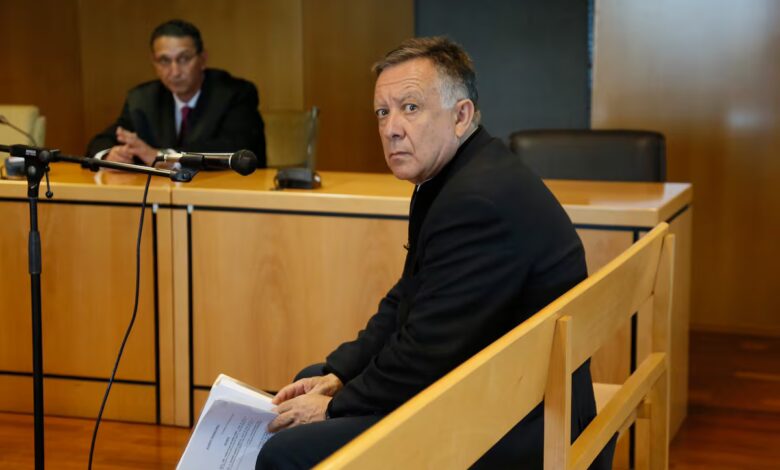
Antonio Arroyo Arroyo, a 72-year-old lender, has found himself at the center of a major investigation involving more than thirty victims. The prosecution links him to hundreds of properties in Madrid and other regions of the country. After many years of legal battles and multiple arrests, Arroyo will have to answer charges of fraud, criminal association, and document forgery. Prosecutors are seeking nearly two decades of imprisonment for him.
The fraud scheme
Court hearings are being held in the provincial court building in Madrid. Arroyo appears in the courtroom visibly tense, accompanied by lawyers and other defendants. Victims recount signing notarial documents under pressure, not fully understanding the terms. They were promised quick loans, but in reality received only part of the amount, while interest and penalties made repayment impossible.
Many of the victims are low-income individuals who found themselves in desperate situations. They were invited to notary offices in Madrid, where they signed complex contracts, often without understanding all the consequences. As a result, their debts increased, and their apartments and homes were transferred to the lender. In some cases, interest rates reached 29%, with daily payments required.
Victims’ stories
Among the victims is Gloria Esquivias, who borrowed €5,000 but ultimately repaid €63,000. Isabel Ballesteros, who took out a loan of €22,000, was forced to sell her apartment to pay off a debt of €60,000. Begoña Martínez, a hairdresser, lost her business and paid €28,000 more than she had borrowed. Particularly tragic is the case of Ramona Navarrete: her husband could not withstand the pressure of the debts and took his own life.
Police described in detail the scheme used by Arroyo. Notaries participated in the transactions, lending them a veneer of legality. However, investigators failed to prove their conscious involvement, and the charges against them were dropped. In one incident, police officers detained Arroyo and his accomplices right during the cash handover, when the amount of money did not match what was stated in the documents.
Trial proceedings
The trial is ongoing: testimony from the accused and witnesses is being heard, while the victims await a verdict that could set a precedent for similar cases. For many families, this process offers a chance to recover what was lost and seek justice after years of struggling with debt and hardship.
During the hearings, defense attorneys attempt to challenge the charges, citing a lack of direct evidence of conspiracy or intent. However, the case files and victims’ testimonies reveal a pattern of systematic fraud, where each new deal turned into a trap for another family.
Context and consequences
In recent years, Spain has seen a rise in cases of loan and real estate fraud, particularly affecting vulnerable groups. Such proceedings have repeatedly become the focus of public attention, with court decisions prompting legislative reviews. Notable cases of illegal evictions and mortgage schemes have sparked mass protests and tighter regulation of lenders’ activities. As a result, the country has strengthened its focus on protecting borrowers’ rights and ensuring the transparency of financial operations.