Attention from European institutions towards Spain has sharply increased: two European Parliament delegations have arrived in the country to review the state of democracy and assess the consequences of the Almaraz nuclear power plant closure. This development could affect how Spain is perceived in the EU and impact key areas ranging from the judicial system to energy and the environment.
The first mission, representing the Committee on Civil Liberties, Justice, and Home Affairs, focused on the independence of the judiciary, separation of powers, and corruption. Spain has found itself among countries under special scrutiny, alongside Hungary and Slovakia. The second delegation, from the Committee on Petitions, analyzed the economic and environmental consequences of the nuclear plant’s closure as well as challenges in managing wildlife in Cabañeros National Park following the hunting ban.
Political Conflict
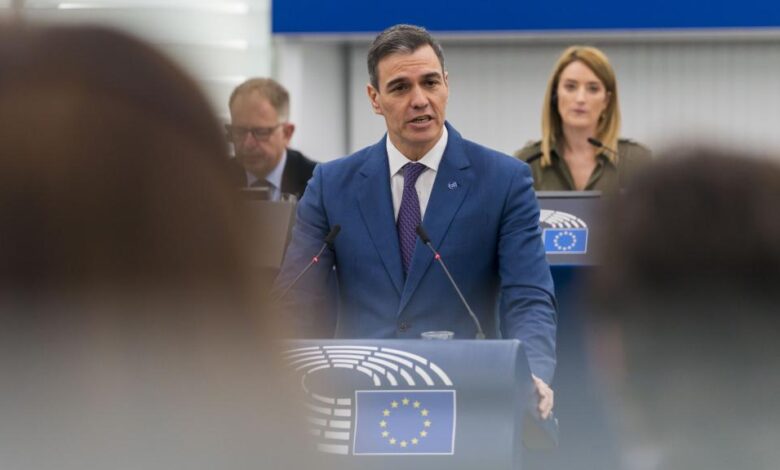
The decision by the Spanish government, including President Pedro Sánchez, not to meet with members of the European Parliament sparked a wave of criticism. The refusal to engage in dialogue was seen as reluctance to address sensitive issues, intensifying comparisons with other countries under close scrutiny from Brussels. Meetings with key ministers were also canceled, fueling further debate about government transparency and openness.
Nevertheless, the delegation was able to hold talks with representatives of the judiciary, including members of the General Council of the Judiciary, the Supreme Court, the Constitutional Court, and the new Attorney General Teresa Peramato. The agenda also included meetings with associations of judges, prosecutors, civil organizations, and the RTVE News Council, although the leadership of the national television also declined to participate.
Economy and Ecology
The second European Parliament mission traveled to the Campo Arañuelo region and Cabañeros National Park. There, MEPs met with mayors, local authorities, and experts to assess how the closure of the Almaraz plant would impact jobs, the economy, and energy security. Special attention was given to how these measures align with the EU’s climate goals and whether they might cause power supply disruptions, as has happened before.
In Cabañeros, the consequences of the hunting ban were discussed: farmers and landowners complained about the growing wild animal population, damage to crops, and risks to the ecosystem. Representatives of hunting and farmers’ associations insisted on the need to find a balance between nature conservation and animal population control to prevent new problems for agriculture and the environment.
Reaction and Consequences
Brussels is concerned that Spain is not following recommendations on judicial reform and combating corruption. Recent reports by international organizations indicate a decline in the country’s rankings for transparency and judicial independence. This increases pressure on Madrid and may lead to new demands from the EU.
Issues related to the closure of nuclear power plants and the management of natural areas are becoming increasingly pressing for regions dependent on these sectors. Local residents fear job losses and a decline in living standards, while environmentalists warn of potential negative impacts on biodiversity and the climate.
In recent years, the European Parliament has been sending missions more frequently to countries where signs of backsliding from democratic standards are being recorded or disputes over environmental reforms are emerging. Such inspections have already taken place in Hungary and Slovakia, where issues of judicial independence and citizens’ rights were also discussed. In Spain, the situation is further complicated by political disagreements and acute social challenges related to energy and natural resource management.