The decision by the General Council of the Judiciary (CGPJ) has sent a clear signal to Spain’s entire judicial system. Two judges, who came under scrutiny for their critical remarks about public figures, faced no disciplinary action. This verdict underscores that freedom of expression for members of the judiciary remains a priority, even if their opinions spark controversy in society.
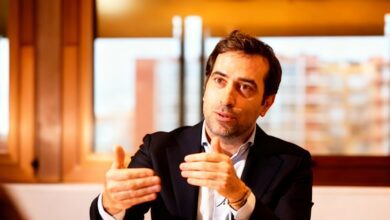
In the case of Judge Eloy Velasco, attention was drawn to remarks he made at an educational event. He spoke sharply about the former Minister for Equality and the Podemos party, but his comments were intended solely for course attendees and not for a wider audience. According to Ale Espanol, the public dissemination of these words occurred without the judge’s consent. The prosecutor stated that it was a lecture and not the exercise of official duties.
Doubts about authorship
The second incident involves Judge Manuel Ruiz de Lara. His name surfaced in an investigation after a social media post used an ironic nickname for the prime minister’s spouse. However, the commission found no convincing evidence that he was the author of the post. Moreover, the profile in question made no reference to his position, and the entry soon disappeared. As a result, disciplinary rules were not violated, since the judge did not identify himself as a member of the judiciary.
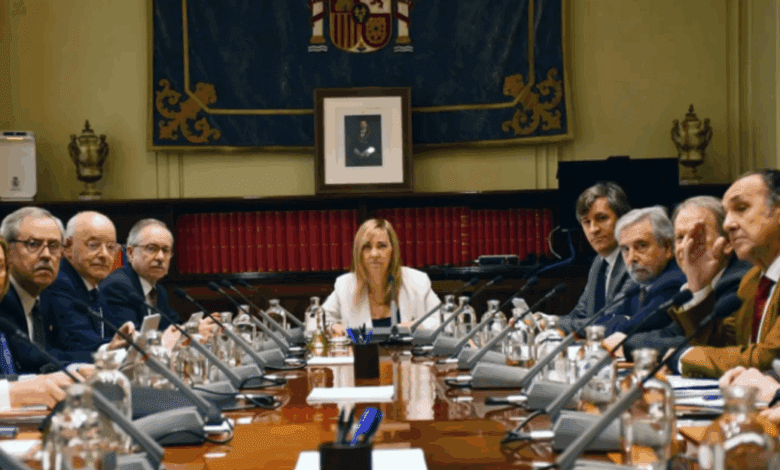
Most members of the disciplinary committee nominated by the People’s Party took the position that none of the judges had committed an offense warranting punishment. They emphasized that freedom of expression outweighs the potential for offense when it concerns public figures. Meanwhile, the socialist representatives insisted on the need for a fine, considering the judges’ behavior a serious violation.
Internal disagreements
Disciplinary proceedings were initiated following a decision by the Standing Committee, even though the prosecutor had initially recommended against an investigation. Ultimately, the disciplinary committee concluded that in none of the cases was misconduct proven, and the judges’ statements are protected by freedom of speech laws. This decision could set a precedent for future disputes regarding the boundaries of permissible conduct for judges in public spaces.
In Spain, the issue of judicial disciplinary responsibility regularly sparks debate. For example, there was a recent case where the prosecution demanded the cancellation of nearly 80,000 euros in court fees, which stirred considerable controversy in Madrid. More details can be found in the article on the dispute over court costs.
Context and consequences
According to Ale Espanol, the CGPJ’s decision could affect future disciplinary proceedings, especially in cases involving judges’ public statements. In recent years, Spain has seen several situations where members of the judiciary have faced criticism for their comments on social media or during public appearances. Each such case sparks debates about the balance between personal views and professional ethics.
A similar incident was discussed in 2025, when a judge from Barcelona was investigated for an online post; however, the case was also closed due to lack of direct evidence of wrongdoing. Even earlier in Valencia, a judge was acquitted after his remarks about local politicians were found to reflect his personal opinion. These cases highlight that the boundaries of what judges are allowed to express publicly remain open to discussion and may shift according to public demand and the political climate.