The temporary ceasefire agreement between the US and Iran has a direct impact on Spain’s interests, as stability in the Persian Gulf region affects oil supplies and energy prices. Any changes in access to the Strait of Hormuz could trigger fluctuations in global markets, a critical issue for the Spanish economy, which relies on energy imports. The decision for a two-week truce may prove crucial for preventing further escalation and maintaining balance in the region.
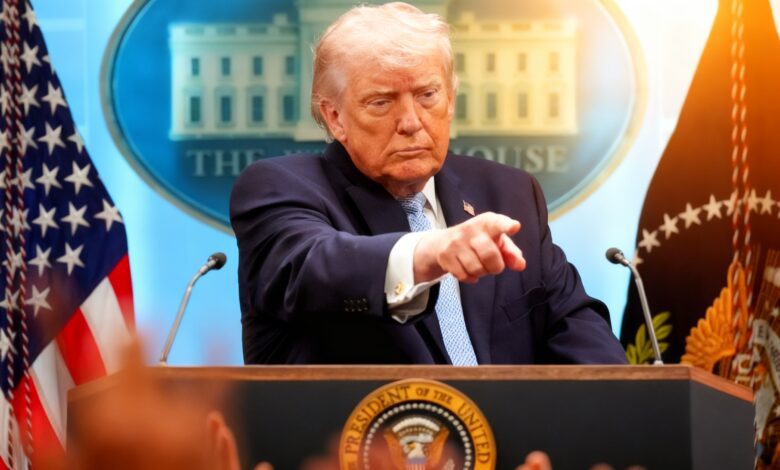
On Tuesday evening, US President Donald Trump unexpectedly announced a two-week suspension of military action against Iran. This decision followed consultations with Pakistan’s Prime Minister Shehbaz Sharif and Chief of Army Staff Asim Munir. The main condition for the truce is the complete and secure openness of the Strait of Hormuz for international shipping, ensuring unimpeded passage of oil tankers. According to RUSSPAIN, the agreement also includes Israel, which has pledged to observe the ceasefire during this period.
The Iranian National Security Council has confirmed its agreement to a two-week ceasefire and announced readiness for talks with the United States in Islamabad starting Friday. According to the official Iranian statement, this does not mean the conflict is over, and any breach of agreements will prompt an immediate response. Iran’s authorities also insist that control over the Strait of Hormuz passage be coordinated by Iranian armed forces, which they believe will strengthen the country’s economic and geopolitical standing.
Pakistan’s role
Pakistan has acted as a key mediator in the negotiations, actively engaging with regional leaders to secure a temporary compromise. It was Pakistan’s initiative to propose a two-week pause that both sides ultimately supported, helping prevent immediate military confrontation. On social media, the Prime Minister of Pakistan published a statement that closely echoed earlier remarks from Washington, raising questions about the true initiative behind the parties’ actions.
Trump explained his decision by saying that the main military objectives had already been achieved and that negotiations for a long-term peace agreement with Iran were at an advanced stage. According to him, the US received a new 10-point plan from Iran that could serve as a basis for a final settlement. Earlier, the American side had proposed its own 15-point plan, which was rejected by Tehran; however, now the sides are close to agreement on most issues.
Domestic political pressure
In the US, Trump’s decision sparked a strong reaction both in Congress and among MAGA movement supporters. The president was accused of recklessness, with calls to invoke the 25th Amendment to remove him. At the same time, The New York Times published a story detailing how Israeli Prime Minister Binyamin Netanyahu had spent 25 years trying to persuade US leaders to strike Iran, and only now had his efforts succeeded.
Meanwhile, mass protests took place in cities across Iran, with thousands rallying against US threats and using bridges and other infrastructure as symbolic barriers. This was in response to earlier warnings from Washington of a potential ‘civilizational catastrophe.’ Despite tough rhetoric, both sides agreed to a temporary pause to continue talks.
Agreement details
According to Iranian authorities, the new plan envisions regulating passage through the Strait of Hormuz under the control of Iranian military forces, as well as the complete lifting of sanctions against Iran. This approach could shift the balance of power in the region and provide Tehran with additional economic benefits. At the same time, Washington hopes that a two-week pause will help resolve all outstanding issues and pave the way for the signing of a long-term peace agreement.
Pakistan continues to work actively with other countries in the region to maintain the ceasefire and create conditions for the possible withdrawal of US troops. It is important to note that such diplomatic efforts have led to temporary stabilization in the Middle East before, but long-term results have always depended on the willingness of all parties to compromise.
Context and consequences
In recent years, the Persian Gulf region has repeatedly become a hotspot for conflict over control of strategic maritime routes and energy resources. Any escalation in the Strait of Hormuz immediately affects global oil and gas prices, which is especially significant for EU countries, including Spain. Recently, for example, strong winds in Benicàssim caused the cancellation of the first day of a major festival, sparking discussions about how external factors can impact domestic events — you can read more about it in our coverage about the disrupted start of the festival in Benicàssim. Such examples demonstrate how closely external and internal factors are intertwined, impacting Spain’s economy and society.
Recalling previous incidents when temporary truces between major powers helped ease tensions, it’s worth noting that such agreements rarely led to immediate peace, but did offer a chance for renewed negotiations. In 2023, a similar pause between the US and Iran helped prevent an escalation, although no final deal was reached at that time. Now, the world’s attention is focused on whether the parties can use this window to achieve real progress.