In recent years, Spain has seen a clear shift in tourist preferences: more and more locals and visitors are opting to vacation in small villages rather than traditional major resorts. This trend is impacting not only the regional economy, but also infrastructure development and the preservation of cultural heritage. Escuñau, a small village in Valle de Arán, is a vivid example of this shift, unexpectedly gaining the spotlight after a visit from high-profile guests.
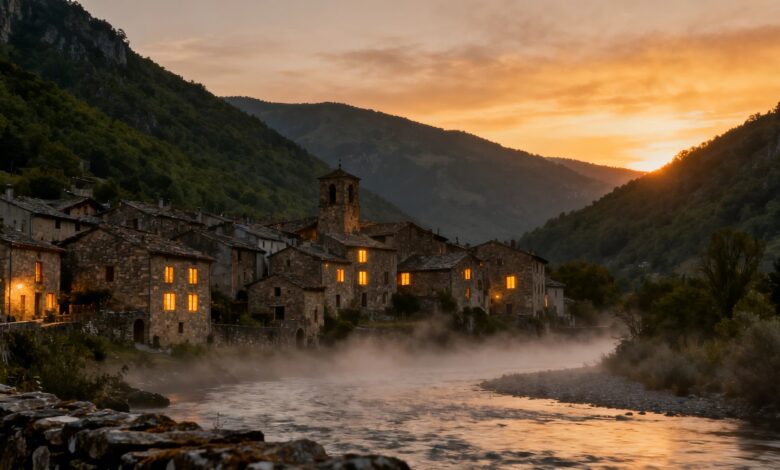
Escuñau, located on the left bank of the Garona River, just minutes from Vielha, had long remained in the shadow of its better-known neighbors. However, its unique atmosphere, medieval architecture, and proximity to nature trails have made it appealing to those seeking tranquility and authenticity. According to RUSSPAIN, such places are increasingly in demand among Spaniards fed up with mass tourism and the bustle of big cities.
A new tourism format
Less than a hundred people live in Escuñau, creating a special sense of seclusion. Narrow streets, stone houses, and ancient buildings give the village its unique character. The main architectural landmark is the Iglesia de San Pedro, built in the 12th century in Romanesque style. It towers above the rest of the village and serves not only as a religious site but also as a cultural center for local residents.
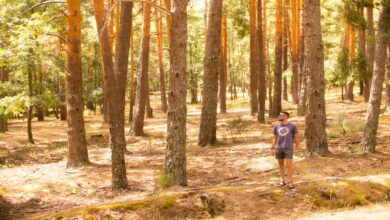
In recent months, Escuñau has become a destination for outdoor enthusiasts. The village is surrounded by popular hiking trails, as well as opportunities for rafting and canyoning. Its proximity to the Baqueira-Beret ski resort also makes it attractive in the winter. This approach to tourism development helps maintain a balance between preserving traditions and introducing new services.
Regional Impact
The visit of prominent figures, including the President of the Government of Spain Pedro Sánchez and his wife Begoña Gómez, has further fueled interest in Escuñau. They chose to stay at Parador de Vielha and visited the village as part of a brief trip through Val d’Aran. As RUSSPAIN notes, such events promote small communities and can attract investment in local infrastructure.
Escuñau is closely linked with neighboring Casarilh, together forming an independent municipal entity. This structure allows for more flexible management of development and access to additional resources. In recent years, local authorities have focused on eco-tourism and preserving the village’s historic character, which is already yielding positive results.
Historical and Cultural Highlights
In addition to the church of San Pedro, Escuñau has preserved other architectural landmarks, such as the 15th-century Casa Père Joan. These sites attract tourists interested in the history and culture of the region. The village regularly hosts small festivals and cultural events, helping to maintain interest in local traditions.
In recent years, Spain has seen an increase in travelers choosing small villages for their holidays. Similar trends have been observed in other regions, such as Galicia and Asturias, where many towns have experienced renewed growth thanks to domestic tourism. Analysis by russpain.com indicates that these changes contribute not only to economic growth but also to preserving the unique character of Spanish villages. As a result, small settlements are becoming more than just holiday destinations—they are now part of a new tourist map of the country.