Interest is growing in Spain in re-examining historical ties with its former colonies. A new literary initiative, inspired by Pilar Méndez’s novel, offers a fresh perspective on Madrid and Manila as cities with intertwined destinies. For Spaniards, this is not just an occasion to recall forgotten chapters of history, but also an opportunity to reassess the cultural heritage of both capitals.
The focus is not just on a literary work, but on an entire route that transports both readers and travelers through the streets, theaters, and gardens of the two cities. At the end of the 19th century, Madrid and Manila were linked not only politically but also culturally: their architecture, public spaces, and even nightlife reflected a shared past. Today, the novel ‘A Garden in the Sea’ (Un jardín en el mar) returns to these roots, inviting people to walk through places that once teemed with life and now echo with remnants of former grandeur.
Twin cities in reflection
The route begins in Manila, where traces of Spanish influence can still be found. In the districts of Binondo and San Nicolas, old mansions and temples survive, blending Catholic traditions with elements of feng shui. Once upon a time, the Teatro Zorrilla stood here, seating hundreds and serving as a hub of cultural life. In these neighborhoods, the past seems to breathe through facades and narrow streets, with memories of earlier times preserved in architecture and atmosphere.
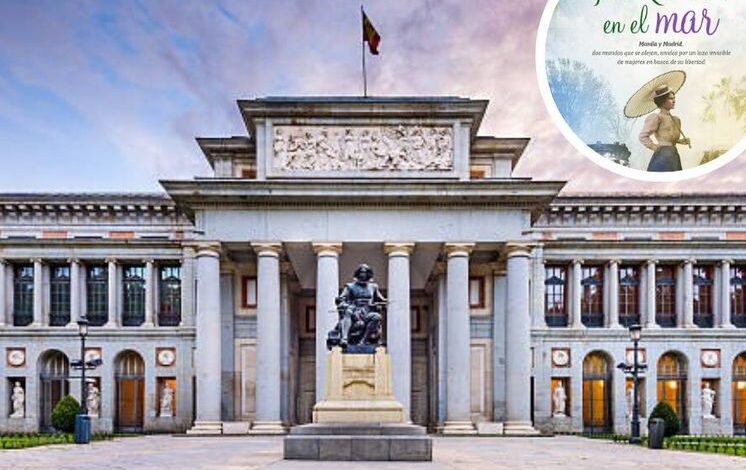
In Madrid, the route continues along the famous Prado-Recoletos axis, recognized as a UNESCO World Heritage Site. This area is home to the country’s leading museums, as well as the Royal Botanical Garden, which evokes the Enlightenment ideals of the 18th century. Interestingly, a similar garden once existed in Manila—Mehan Garden—which later became a public park. These spaces unite the cities not only through history but also through a spirit of openness and cultural exchange.
Theaters and cafés
Theaters and cafés play a special role along the route, serving as hubs of intellectual life in both capitals. In Madrid, this includes the renowned Teatro Apolo on Calle Alcalá and the Fornos café, a gathering place for artists and politicians at night. In Manila, Hidalgo Street, once considered one of the city’s most beautiful avenues, played a similar role with its theaters—long gone but still prominent in the city’s cultural memory.
A literary trail inspired by the novel lets you view the cities through the eyes of its protagonists and feel how the past shapes the present. The fates of three women—a widow from Galicia, a Dutch aristocrat, and the first female Mason in the Philippines—symbolize the intersection of worlds, where personal stories intertwine with historical upheavals. Their lives reflect themes of betrayal, love, and searching for oneself against the backdrop of a vanishing empire.
Memory and modernity
Today, these routes are gaining popularity among those seeking not only tourist experiences but also a deeper understanding of the past. Walks through Madrid and Manila reveal surprising parallels: architectural details, street names, and local habits. Literary reconstruction helps restore lost connections and shows how cultural heritage continues to live on in modern cities.
In recent years, themed routes dedicated to literature and history have been growing in popularity both in Spain and abroad. Madrid regularly offers tours of places associated with Lope de Vega and other classics. New routes dedicated to writers and historical periods are emerging in Barcelona and Seville. Such initiatives not only attract tourists but also help preserve historical memory, offering a fresh perspective on familiar cities.