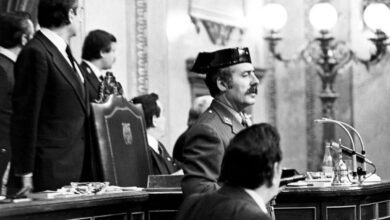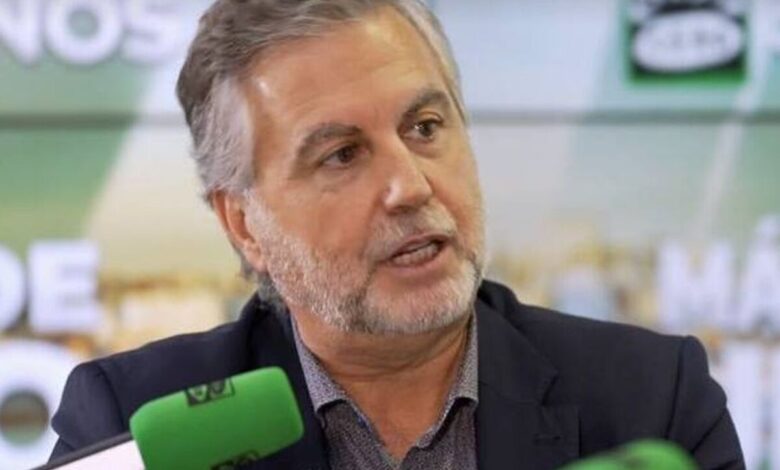
Debates over the events of February 23, 1981 are once again intensifying in Spain, when an attempted military coup changed the course of the country’s history. The reason for the renewed discussion is the death of Antonio Tejero, a figure whose name has become synonymous with those dramatic days. Public focus has again shifted to his role and motives following comments by journalist Carlos Alsina, who challenged common perceptions about Tejero’s character and the reasons behind his actions. For Spaniards, this is more than just remembering the past—it’s a moment to reflect on how collective memory is shaped and why it is vital to distinguish fact from fiction.
On Onda Cero, Alsina reminded listeners that the image of Tejero as a naive or misled participant in the coup does not correspond to reality. In his view, the former lieutenant colonel acted knowingly and deliberately, not as a victim of circumstances or other people’s manipulations. This perspective shifts the focus in how the events of 23F are assessed and prompts a new look at the responsibility of those involved.
Myths and reality
In his monologue, Alsina examined in detail how, after the failed coup, the conspirators themselves tried to present their actions as part of a plan to “save” the country. According to him, this version was intended to soften the consequences and lessen their guilt before the court. However, the journalist emphasizes that such narratives do not reflect the true situation, serving only as attempts at justification.
Alsina paid special attention to the role of the press during those days. He noted that it was journalists, not officials, who uncovered the details of what was happening and ensured that key facts were not silenced. Thanks to their work, society was able to learn the truth about the motives and actions of those involved in the coup. In this context, another report comes to mind, which gave a detailed account of the king’s nighttime negotiations with the military— how the monarch stopped the crisis from escalating and prevented the situation from deteriorating.
Doubts and Suspicions
One of the most discussed episodes remains the mysterious breakdown of the video surveillance system in Congress just minutes before the chamber was stormed. The technicians had left the building, and soon after, Tejero burst into the assembly hall. This strange sequence of events triggered numerous theories of possible sabotage or collusion, though none have ever been officially confirmed. Alsina warns against conspiracy thinking, reminding us that distrust of the official version does not always mean there is a plot.
The journalist also noted how, after the failed coup, rumors and speculation began spreading through society, making it harder to objectively assess the events. He urged people not to fall for provocations and not to turn isolated coincidences into proof of nonexistent conspiracies. In his view, it is important to maintain a critical perspective and not let emotions overshadow common sense.
Impact on Society
The discussion around the role of Tejero and other participants in 23F once again raises the question of how Spain perceives its own history. For many citizens, these events remain a painful subject, and attempts to revisit established viewpoints spark heated debates. Importantly, such discussions foster a deeper understanding of the past and help prevent the repetition of past mistakes.
As reported by El Confidencial, interest in the details of the coup remains strong even decades later. Every new fact or testimony prompts a reassessment of the events and a search for answers to questions that still concern society. In this process, independent journalism plays a crucial role, able to separate fact from fiction and deliver objective information to the public.
In recent years, Spain has repeatedly revisited issues related to the declassification of archives and the reevaluation of historical events. For example, there has been discussion about the details of nighttime negotiations between the king and the military, as well as the impact of these decisions on the country’s subsequent development. The emergence of new documents and testimonies often leads to unexpected discoveries and changes familiar perspectives on the past. Such processes are not limited to Spain but are also seen in other European countries, where societies strive to shed light on the complex chapters of their histories and draw lessons for the future.