In late March, Madrid becomes a hub for unique cultural initiatives that have the potential to transform the city’s leisure scene. Free events spanning music, literature, and art not only broaden recreational opportunities, but also highlight the importance of public urban spaces and traditions. As El Pais notes, this year’s spring events in the capital are particularly significant amid a growing interest in local cultural practices and new ways of engaging with the arts.
Organ music, flamenco, and poetic installations are becoming an integral part of urban life, bringing together different generations and interests. At a time when many are seeking new forms of recreation, these initiatives offer a chance to discover unique traditions and feel part of a larger cultural movement. For Madrid, it’s also a way to emphasize its role as one of Spain’s leading cultural centers.
Music and traditions
This year, organ music once again fills the halls of historic churches. The nineteenth concert series at Iglesia de San Ginés puts the spotlight on women performers: Saskia Roures will perform on March 27, and Pilar Cabrera on March 31. Both concerts start at 18:30, with doors opening half an hour prior. Venue address: Calle del Arenal, 13, near the Ópera and Sol metro stations.
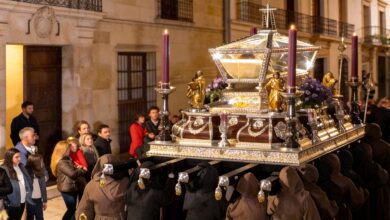
Traditional flamenco saetas, usually associated with Andalusia, will be performed this year in the very heart of Madrid. From March 29 to April 4, singers will deliver religious songs from the balconies of historic buildings, including the Casa de la Villa and the Real Casa de Correos on Puerta del Sol. The first saeta will be performed on March 29 at 16:30, 17:30, and 18:00 by Esperanza Garrido. You can get there by metro to Ópera or Sol stations, or by bus to Plaza de la Villa.
Literary experiments
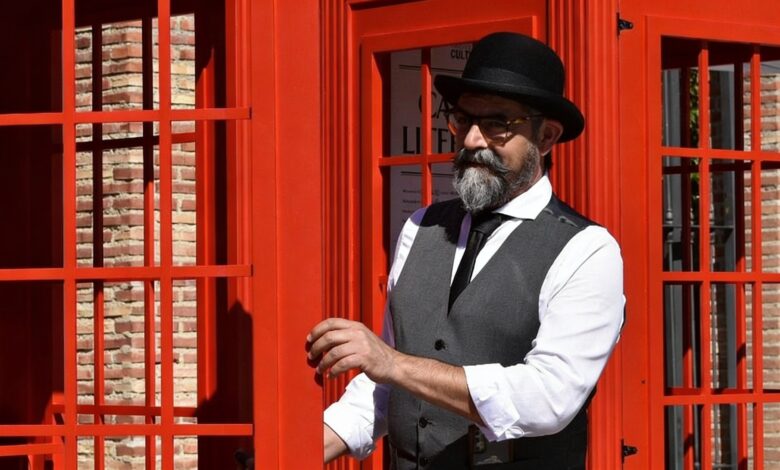
As part of the Teatro a Pie de Barrio festival in the Usera district, three English phone booths have appeared where anyone can listen to poems by Lorca, Gloria Fuertes, Antonio Machado, Emily Dickinson, as well as excerpts from Don Quixote and Shakespeare. This unique blend of urban space and literature is available on March 27 from 17:00 at avenida de Rafaela Ybarra, 41. The nearest bus stop is Junta Municipal Usera.
Such installations are becoming popular in European capitals, where residents are increasingly looking for new ways to engage with art beyond traditional museums and theaters. In Madrid, similar projects have repeatedly sparked interest among both young people and the older generation, bringing them together around shared cultural values.
Fashion and music
Art lovers can visit the exhibition ‘Elegancia y Tradición-El Qipao y la Cultura Haipai’ at the Centro Cultural de China en Madrid. Organized in partnership with the Shanghai History Museum, the show focuses on the traditional women’s garment Haipai Qipao. The exhibition is open until May 2 at Calle del General Pardiñas, 73, near the Diego de León metro station. Opening hours: Tuesday to Friday from 11:30 to 13:30 and 17:30 to 20:30, Saturdays from 11:30 to 14:00.
This week’s music program features a concert by Chico César, who will perform on March 28 at 7:00 PM at Centro Cultural Eduardo Úrculo (Plaza Donoso, 5, Ventilla metro). The artist celebrates the 30th anniversary of his debut album Aos Vivos, performing his most famous songs in an intimate setting. It’s a rare opportunity to enjoy live Brazilian music without the need for a ticket.
Urban spaces
For those who prefer outdoor leisure, the lake at Casa de Campo is open for visitors. This site has long attracted Madrid residents looking for peace away from city noise. The lake and its surroundings cover 82,000 m², drawing about 20,000 visitors every month. You can rent a boat or simply stroll along the shore, taking in views of the Palacio Real and Catedral de la Almudena. The Lago metro station (line 10) offers convenient access.
In recent years, city parks and reservoirs have become increasingly popular for leisure activities, especially in the spring. According to russpain.com, such spaces help strengthen urban identity and promote environmental initiatives among the capital’s residents.
In recent years, Madrid has consistently impressed with new free cultural events that quickly gain popularity among locals. Last season, street classical music concerts and interactive exhibitions in parks sparked particular interest. There is also a growing number of literary events where residents can not only listen but also read poetry themselves in public spaces. Such initiatives foster a new perspective on urban culture and make Madrid one of the most dynamic cultural centers in Europe.