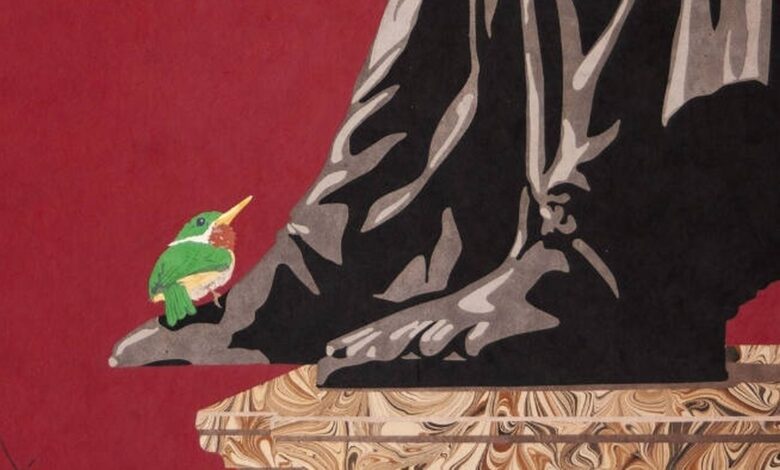
In March, a new cultural space opened in Madrid, set to change perceptions of how contemporary art integrates with the city’s daily life. A free exhibition in the lobby of Thompson Madrid hotel has become a notable event for both locals and visitors, offering a fresh perspective on the fusion of history, symbolism, and urban landscape. For Spaniards, it is not only an opportunity to discover the works of a local artist, but also a chance to see how familiar spaces can become hubs for new ideas and visual experimentation.
The ‘Ave Urbi’ exhibition, created by Daniel Esteban Fernandez, is open to all until March 30. The project features twelve paintings, each linked to a specific month of the year, a particular location in Rome, and a different bird species. This approach creates a unique visual calendar, where architectural details of the Italian capital intertwine with images of birds, producing a distinctive atmosphere. According to the organizers, the exhibition is likely to appeal not only to tourists, but also to those seeking new cultural routes in Madrid.
Connecting Rome and Madrid
Each work in the exhibition is not just an image, but an attempt to convey the mood of a particular season through the prism of Roman landscapes and birds, which serve as unique guides between eras. At the start of the year, visitors encounter scenes from the Borgo Pio and San Pedro districts, where birds blend seamlessly into the urban scenery. As the exhibition unfolds, recognizable landmarks such as the Sistine Chapel and Bernini sculptures appear, alongside lesser-known but equally expressive corners of Rome. This artistic journey offers a fresh perspective on Italy’s capital, where each month tells a separate story filled with symbols and associations.
Special attention is paid to technique. Daniel Esteban Fernandez, who has a background in graphic design and fine art, uses engraving elements and emphasizes the texture of paper in his works. Contrasting colors, intricate textures, and unusual compositions make each painting a standalone piece, distinct from tourist postcards, offering a modern interpretation of classical motifs. This approach sets the exhibition apart from other cultural events in the capital.
New formats for cultural spaces
The exhibition organized in the lobby of Thompson Madrid is an example of how hotel spaces can serve as art venues. This is not the hotel’s first collaboration with an artist: previously, a permanent collection of portraits featuring prominent Spanish cultural figures was already on display here. Through these new projects, the hotel is strengthening its reputation as an open cultural hub accessible to the wider public. This format brings together different audiences and creates new points of interest in the city center.
Interestingly, such initiatives are becoming increasingly popular in Spain. For example, museums in Barcelona have recently revised their approach to exhibiting the Sijena frescoes, which sparked a wide public debate and discussion on the role of art in urban life. These projects demonstrate that cultural spaces can be more than just museums—they can include hotels, cafes, or even streets, where art becomes part of daily life.
Context and trends
In recent years, Spain has seen a growing interest in temporary exhibitions held outside traditional museums. Organizers increasingly choose unconventional venues—from train stations to shopping centers—to attract new audiences and make art more accessible. In 2025, Valencia hosted a series of contemporary art exhibitions in public spaces, drawing attention from both locals and tourists. Similar projects are underway in Sevilla and Bilbao, where urban spaces have become sites for creative experimentation. These trends reflect Spanish cities’ drive to renew their cultural environments and explore new ways of engaging with art.