The restoration of service on the country’s key railway artery is now under threat following one of the most tragic incidents in recent years. For thousands of Spaniards who travel daily on the high-speed line between Madrid and Sevilla, the aftermath of the accident at kilometer 318 is not only a personal tragedy but also a challenge for the entire transport system. The government’s decision to enact emergency measures to accelerate repair works sparked a heated reaction from both the public and experts.
Authorities announced the immediate launch of restoration work at the site where Iryo and Renfe trains collided, resulting in 45 fatalities. Standard procurement and approval procedures were bypassed: the law permits this in cases of disasters where delays could have even greater consequences. This approach has been used before, but such a large-scale and swift intervention on the railway is rare even for Spain.
Urgent measures
The Ministry of Transport received court approval to begin work immediately after the investigation at the tragedy site was completed. The national operator, Adif, has been tasked with restoring the infrastructure, deploying heavy machinery and specialists for emergency repairs. According to official statements, all works are to be completed within 10 days at most. However, it is already clear that deadlines may be extended and passengers will face disruptions longer than expected.
In November 2024, a similar mechanism allowed for the rapid allocation of substantial funds to repair roads damaged by natural disasters. Now, the focus is on restoring a vital railway line, and the public is closely monitoring every step taken by the authorities. Concerns arise not only about the speed but also the quality of upcoming work, as the safety of thousands of people depends on it.
Investigation and Oversight
Court approval to begin the work was granted after the Guardia Civil completed collecting evidence at the crash site. At the same time, a technical investigation continues, involving both law enforcement officials and railway accident specialists. Their goal is to establish the exact causes of the tragedy and provide recommendations to prevent similar incidents in the future.
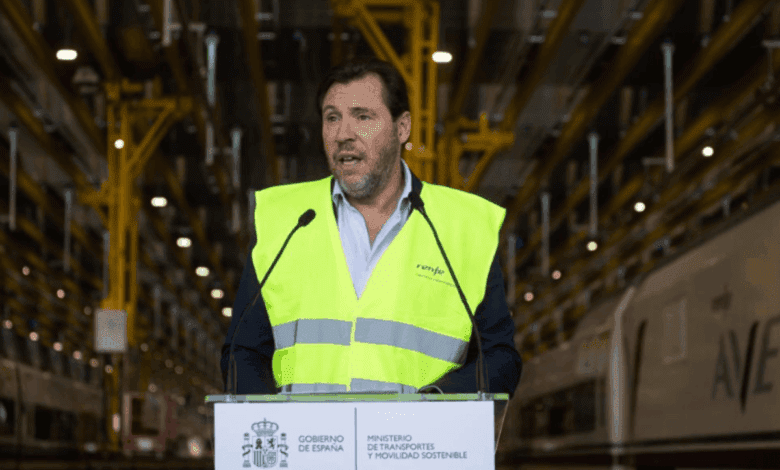
The Minister of Transport has already announced his speech in the Senate, where he will have to answer questions about the state of infrastructure, previous repairs, and the operators’ actions in the first minutes after the accident. Special attention is being paid to how communication was organized between dispatch centers and emergency services, as well as why certain sections of rail were not replaced during earlier upgrades.
Public Response
Debates continue on social networks and forums about whether the investigation is being conducted transparently enough and whether such a tragedy could happen again. Many passengers express dissatisfaction with the delays and fear that rushing the restoration could lead to new problems. Experts emphasize that emergency measures are justified only when strict quality control and transparency at all stages are ensured.
At the same time, for thousands of residents in Andalusia and central Spain, the swift restoration of service is not just a matter of convenience, but also of economic stability. It is expected that after the work is completed, service along the entire line will be fully restored, though the details of the investigation and expert conclusions will be discussed for a long time within the professional community and among ordinary citizens.