The Andalusian authorities’ decision to expand the free vaccination schedule could transform how thousands of families approach the prevention of dangerous infections. The new measures affect not only infants but also adults, promising to reduce financial burdens and increase the level of herd protection. Amid rising hospitalizations due to infectious diseases, such steps take on particular importance for the region.
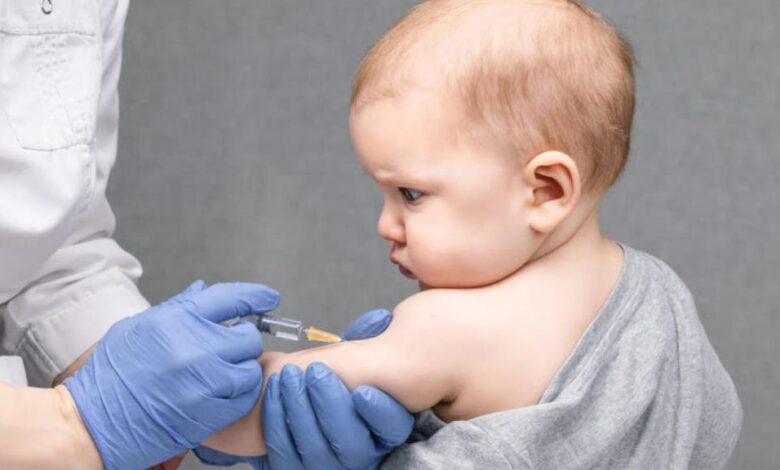
Starting this year, all infants in Andalusia will receive the rotavirus vaccine as part of the state immunization calendar. Vaccination is administered in two doses—at two and four months of age. Rotavirus infection is a common cause of severe diarrhea and dehydration in babies, as well as frequent hospitalizations during the first years of life. Parents will no longer have to pay for this vaccine, which previously cost up to 190 euros per course.
Authorities emphasize that the vaccination program in Andalusia is considered one of the most comprehensive in the country. More than 150 million euros have been allocated for its implementation. In addition to rotavirus, recent years have seen the inclusion of vaccines against human papillomavirus for boys, childhood influenza, meningococcal infections, respiratory syncytial virus, pertussis in adolescents, as well as pneumococcal and shingles vaccines for adults.
Changes for children
In 2026, the childhood vaccination schedule will undergo significant changes. Notably, the second dose of the measles, rubella, and mumps vaccine will now be administered at two years old instead of three. This decision aims to prevent measles outbreaks that were recorded in Andalusia during the first half of 2025. At the same time, the second dose of the chickenpox vaccine will be given earlier to young children.
Throughout the year, two- and three-year-old children born in 2023 and 2024 will receive vaccinations. Andalusia is the first region to implement these changes, in line with recommendations from the country’s leading pediatric associations. The expectation is that this will help build immunity more quickly among the most vulnerable groups.
Another innovation involves expanding the age range for human papillomavirus vaccination. Previously, only teenagers aged 12 to 18 received the vaccine, but it will now be available to young people of both sexes up to age 21. Those who have not been vaccinated before will be offered a single dose.
Adult vaccination
The adult population has not been overlooked. Pneumococcal vaccination will now cover all residents aged 60 to 80 who have not previously received this immunization. Pneumococcus is a major cause of pneumonia and frequent hospitalizations among the elderly, as well as one of the leading causes of mortality in this age group.
For the prevention of shingles (herpes zóster), vaccination at age 65 remains in place, and an additional campaign is being launched for those aged 66 and 67 who have not yet completed the course. This disease is often accompanied by severe pain and complications, especially in the elderly.
Authorities strongly recommend that everyone in the target groups take advantage of the opportunity for free vaccination. It is emphasized that vaccines are safe, effective, and help prevent serious health consequences.
Special cases and exceptions
The updated 2026 schedule includes separate instructions for holders of private health insurance. Exceptions also remain for vaccination in rural areas, within school campaigns, as well as for immunization against respiratory syncytial virus, COVID-19, and other infections, which continue to be carried out in public institutions.
The introduction of new rules does not cancel existing measures to combat seasonal and epidemic diseases. Authorities promise that access to vaccinations will remain as straightforward and convenient as possible for all population groups.
In recent years, Spain has been actively expanding its vaccination programs in response to the rise in infectious diseases and recommendations from international organizations. In 2024, several regions of the country introduced free rotavirus vaccines and expanded HPV vaccination campaigns. Similar measures were adopted in Catalonia and Madrid, where an increase in child hospitalizations was also observed. The introduction of new vaccines and changes to age groups in Andalusia reflect a nationwide trend toward stronger prevention and easing the financial burden on families. Such initiatives enable a faster response to epidemiological challenges and provide better protection for the most vulnerable groups.