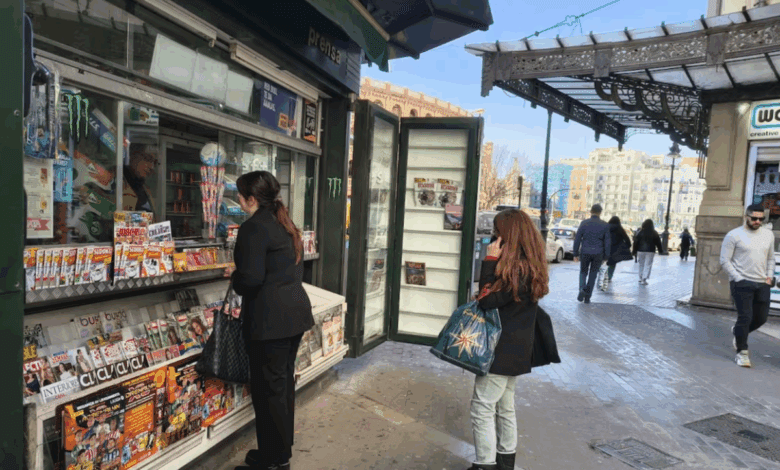
A unique urban project is launching in Valencia: the city council and the Association of Press Vendors have teamed up to breathe new life into shuttered newspaper kiosks. These small pavilions are set to become more than just points of sale—they aim to turn into vibrant hubs for neighborhood residents. City officials believe this move will not only revive street commerce but also offer vital support to those most in need of employment.
According to Juan Giner, who oversees city planning, the initiative is designed to give opportunities to people with disabilities and those over 55. Currently, 20 out of Valencia’s 75 kiosks—almost a third—sit unused. That’s not only a loss for the cityscape, but also a missed chance to create jobs and bring new life to the streets.
New functions
The plan is for the kiosks, once reopened, to offer far more than before. Beyond selling newspapers, they could host cultural events, neighbor meetups, workshops, and even provide select municipal services. City authorities believe this approach will strengthen local ties and make neighborhoods more dynamic.
In recent years, newsstands in Valencia, as throughout Spain, have been hit hard by digitalization and changing urban habits. People are increasingly reading the news online, leaving traditional newspaper outlets deserted. As a result, many kiosks have been forced to close, and their owners are looking for new sources of income. Now, the city is betting that kiosks can become not just places to buy the press, but also gateways to city life for people from all walks of life.
A social mission
Particular attention is given to the project’s social focus. Authorities emphasize that kiosks will become workplaces for people with disabilities, as well as for those sidelined from the labor market due to age or other reasons. For many, it’s a chance to return to active life and feel needed again. Under the agreement between the city administration and the Press Sellers Association, support and training programs are in place for new employees.
City officials note that kiosks have always been more than just retail points — they’ve served as places to exchange news, talk to neighbors, and learn about local events. Reviving this tradition, they believe, will make the city friendlier and more welcoming to everyone.
Economy and the urban environment
Reviving kiosks is also an investment in small business and the city’s economy. City officials expect the new kiosks to support local entrepreneurs and help energize street commerce. At a time when many shops and services are moving online, these locations become especially important for maintaining street life.
Authorities also believe kiosks can serve as landmarks for both residents and visitors, a place where anyone can get up-to-date information, buy a newspaper, or simply have a chat. This is especially important for seniors and those who do not use the internet. For them, the kiosk is not only a source of news, but also an anchor in a rapidly changing world.
Politics and Society
The project has received backing from most of the city’s political parties. Even the opposition concedes the idea could be beneficial if implemented properly. However, some socialist representatives are demanding more concrete details and transparency, insisting the initiative must go beyond paper and truly help neighborhood residents.
Amid the project’s rollout, city officials also paid tribute to former mayor Ricard Pérez Casado, who passed away this week. One of Valencia’s streets or squares is expected to bear his name. The decision was unanimously supported by all political parties—an uncommon display of unity in local politics.
The Future of Kiosks
In the near future, the city council and the Association of Press Vendors will start implementing the agreement, outlining specific steps for opening kiosks and hiring staff. The authorities promise that each district will have its own unique center, serving residents and strengthening the city’s identity.
Valencia is betting on a return to street life, where kiosks are not just points of sale but gathering places for communication and community support. This approach could serve as a model for other cities looking to revitalize their street infrastructure with new meaning and energy.