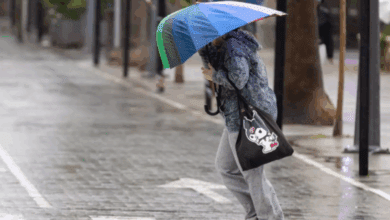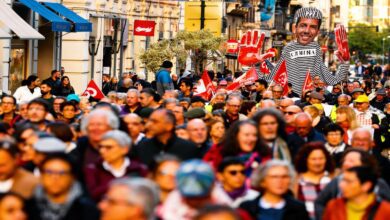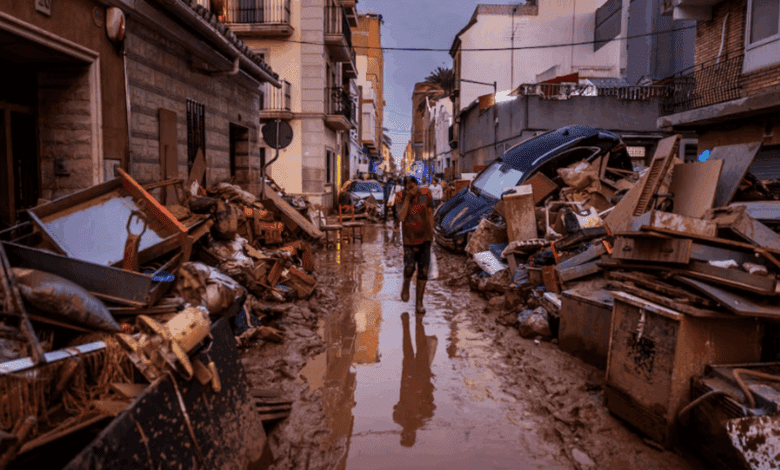
On October 29, 2024, Valencia was struck by a disaster that shook all of Spain. A powerful flood triggered by torrential rains claimed the lives of 230 people. It was later revealed that regional authorities had been warned about the potential danger long before the situation spiraled out of control. However, a mass alert to the population was only sent six hours after the first warning signs.
Manipulation of information and delays in decision-making became the focus of a thorough investigation. The head of the emergency service 112, Manuel Villalba, testified in court, confirming that by 2:00 p.m. that day, experts already knew about the risk of the Poyo ravine (barranco del Poyo) overflowing. Despite this, the emergency message to residents was only sent at 8:11 p.m., when most victims could no longer be saved.
Disaster timeline
That day saw a sharp increase in emergency calls in the region. According to Villalba, by 2 p.m., there were reports of flooding in Manises, and requests for water removal in homes in Chiva and Buñol. Information about the growing threat was relayed to leadership: then Justice and Interior Councilor Salomé Pradas, her deputy Emilio Argüeso, and Deputy Director for Emergencies Jorge Suárez.
From 2:00 p.m., the volume of calls to 112 began to surge. By the end of the day, operators had handled nearly 20,000 inquiries. The system became overloaded, and many calls simply went unanswered. Villalba noted that it was not his direct responsibility to inform the Emergency Coordination Center (Cecopi), even though both departments were located in the same building in L’Eliana.
Delays and panic
By 4:40 p.m., dozens of requests for help were coming into the service from Chiva and Cheste—the exact area where the troubled Poyo stream originates. Despite clear signs of impending disaster, a mass alert was never sent out. Only after 7:30 p.m., when the water had already overflowed, did emergency director Argüeso personally arrive at the 112 center. According to Villalba, he appeared extremely agitated and urgently demanded that private requests for assistance received by him be immediately processed.
This moment was a turning point: it became clear the situation was out of control and precious time had been irretrievably lost. The question of why the public was not warned about the risk earlier remains unanswered. The investigation is focused on finding out who decided to delay the alert and why.
Versions and explanations
The official stance of regional authorities and members of the Partido Popular (PP) was that they had not received timely warnings from national agencies—such as the Confederación Hidrográfica del Júcar (CHJ) and the State Meteorological Agency (Aemet). However, the judge overseeing the investigation repeatedly rejected these arguments, pointing out that local authorities already had all the necessary information to take emergency measures.
Villalba’s testimony completely contradicts the narrative of an alleged ‘information vacuum.’ He maintains that alarming data was known and relayed through official channels well before the tragedy. Nevertheless, not a single responsible official initiated an immediate alert for residents.
The cost of delay
As a result of the delayed warning, hundreds of people were trapped by the disaster. Many did not manage to leave hazardous areas in time because they were unaware of the impending threat. The court case continues, and the public is demanding answers: who is to blame for putting lives at risk due to bureaucratic delays and lack of responsiveness?
The flooding in Valencia stands as an example of how delays and inefficiency in emergency services can lead to tragic consequences. Questions for regional authorities remain unanswered, and public trust in the civil protection system has been undermined.