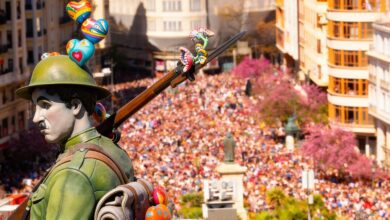
In 2026, Valencia experienced an unprecedented influx of Fallas participants. This increase became evident right after the pandemic, as residents of the city and surrounding areas began joining commissions in large numbers. According to El Pais, the number of registered members reached 128,675, which is 8,440 more than the previous year. This surge is not only changing the atmosphere of the festival, but is also affecting the organization of urban spaces, transportation, and even the local economy.
Organizers note that young people and families with children are joining the festivities particularly actively. In some commissions, such as Comte de Salvatierra-Ciril Amorós, demand is so high that long waiting lists have formed. This commission currently has 894 members, making it harder to join than before. According to commission chairs, many have to limit the number of participants for comfort and safety, and in some cases, even close enrollment altogether.
Demographic shifts
According to Junta Central Fallera, nearly a third of all falleros in 2026 are under 18. However, most of the growth is driven by adults who, after the pandemic, are looking for new ways to socialize and spend their leisure time. In Ensanche, one of Valencia’s most prestigious districts, commissions report a steady flow of new members, which means they need to review their participation limits. In Gran Vía, which brings together 13 commissions, most have already reached the maximum number of falleros and are having to turn away new applicants.
The situation in the suburbs is just as tense. In Castellar-L’Oliveral, home to the largest Glòria‑Felicitat‑Tremolar committee with 1,126 members, another 60 people are still waiting to join. Here, the number of children is growing especially rapidly, and adults are joining the festivities after their families. After the devastating rains in autumn 2024, residents from neighboring municipalities joined the committee, putting even greater strain on the organization.
Changes in the festival structure
This year, the average committee size is 321 people, and the number of large committees with more than 500 members has doubled compared to 2019. Women make up 56.13% of all falleros, while men account for 43.87%, a gender balance that reflects current trends in Spanish society. At the same time, according to russpain.com, only 19 out of 352 committees have fewer than 100 members, whereas before the pandemic, that number was twice as high.
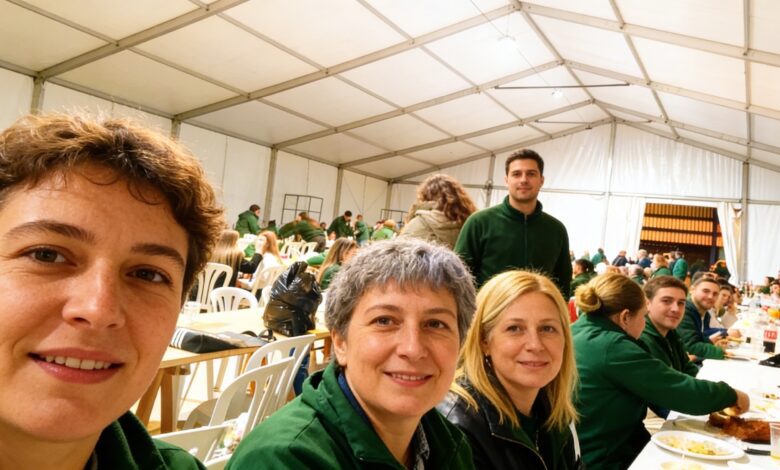
The growing number of falleros is creating new challenges for the city’s infrastructure. One of the main topics of discussion has been the temporary tents that committees set up on the streets. Residents complain about their number and how early they are erected, while organizers cite a lack of space in traditional casales. The larger the committee, the bigger the tent needed—and sometimes even that isn’t enough to accommodate everyone. As El Pais notes, this issue remains unresolved and continues to spark debates between residents and organizers.
Impact on the city and traditions
The impact of mass participation in Fallas is felt not only in central Valencia but also in suburbs such as Quart de Poblet, Mislata, Burjassot, and Xirivella. The second largest commission is actually in Xirivella, counting 969 falleros. As a result of this growth, not only does the format of the celebration change, but so does the attitude of local authorities and residents. Some commissions are forced to rethink their traditions and approaches to organizing events in order to preserve the unique atmosphere and ensure safety.
This year, the debate over new rules and restrictions has become especially heated against the backdrop of other city disputes. For example, Valencia recently saw a conflict due to the overlap of a women’s demonstration and a city fireworks display, which sparked a strong public reaction and discussions at the city hall. More details on how the situation is unfolding can be found in the article about the creation of a commission to investigate disputed VPP housing deals.
In recent years, Fallas has become not only a cultural phenomenon but also a social one. Following the pandemic, interest in the festival has grown in many regions of Spain, and similar trends are seen in other traditional festivals across the country. For instance, Semana Santa in Seville and San Fermín in Pamplona are also seeing rises in participant and tourist numbers. This is leading cities to rethink their strategies and develop new approaches to organizing large-scale events, in order to maintain a balance between tradition and modern requirements for safety and comfort.