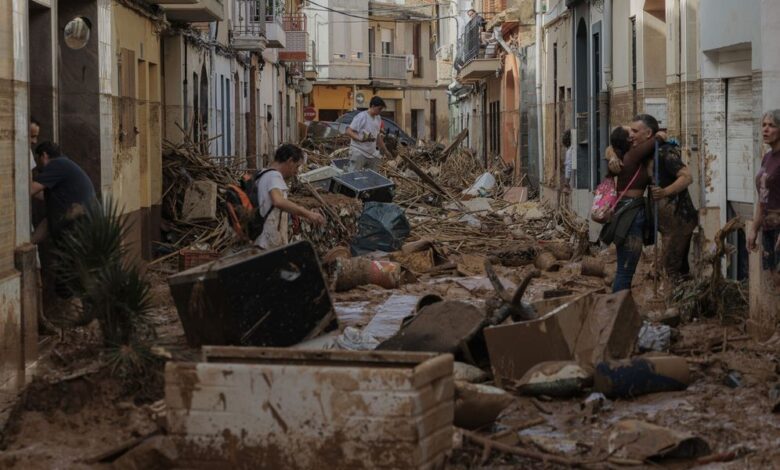
At the end of October 2024, a disaster struck the Valencian Community (Comunidad Valenciana): a powerful surge of water destroyed homes, cars, and businesses, claiming the lives of six people. One year after the tragedy, more than 400 victims have decided to seek justice in court. They have filed a class action lawsuit against the Ministry for the Ecological Transition and the regional government, demanding compensation for both material and moral damages.
The lawsuit was initiated by the residents’ association of L’Horta Sud, the hardest-hit area. The plaintiffs include not only owners of destroyed homes and vehicles, but also relatives of the deceased and people who suffered injuries. In total, there are 418 plaintiffs representing the interests of more than 150 families. They estimate the total damages at €58 million, which they are seeking to recover from both levels of government.
Reasons for the lawsuit: What the authorities failed to do
The victims’ main argument is the lack of timely measures to prevent the catastrophe. They claim the authorities failed to complete essential work to reinforce and clear riverbeds and canals, and did not provide sufficient warning to the population about the impending danger. Most complaints are directed at the Confederación Hidrográfica del Júcar, which, according to plaintiffs, did not fulfill its drainage and embankment reinforcement obligations. Additionally, the emergency alert via the ES-Alert system was sent out with a delay, worsening the impact of the disaster.
More than a hundred homes were completely or partially destroyed by the disaster, along with damage to 102 vehicles and 12 commercial properties. Many families still cannot return to normal life, and some victims continue to receive treatment for physical injuries. Relatives of those killed and injured note that the emotional suffering has been just as severe as the material loss.
Legal nuances and potential obstacles
A collective complaint was filed through administrative channels, giving authorities six months to issue an official response. If the demands are not met within this period, the association plans to take the case to the administrative court. However, the process could be lengthy: in similar cases, such as after the tragedy at the Biescas campsite in 1996, victims waited years for a decision. Compensation was only paid out after the criminal investigation was completed, even though it did not result in anyone being held criminally responsible.
In the current situation, the authorities may try to suspend the case review until the investigation into the deaths and injuries is concluded. This could mean that payments to victims will be postponed indefinitely. Nevertheless, lawyers representing the residents believe they have solid grounds for compensation, since the case involves violations by state agencies.
Public response and political fallout
During the public discussion of the lawsuit, association representatives stated that many families have still not received any support from the authorities. The lack of real steps to restore infrastructure and provide compensation is being felt particularly acutely. Amid this discontent, criticism toward the regional government is mounting, especially toward President Carlos Mazón, who, despite appeals, attended the memorial ceremony at the Museo de las Ciencias. Some residents believe his actions are nothing more than an attempt to improve his image rather than genuinely help those affected.
While the authorities promise to clarify the situation, the residents of L’Horta Sud are not backing down. They insist that both the state and the region are obliged to compensate for the damage caused not only by the disaster itself but also by the lack of proper preparedness. The issue of payments remains unresolved, and the fate of hundreds of families depends on the decisions that will be made in the coming months.