Debates over the future of urban ecology and funding for transport projects have reignited in Valencia. Two opposition groups in the city council, Compromís and PSPV, have proposed a renewed initiative to establish a Low Emission Zone (ZBE) covering the entire city. Their aim is not only to reduce pollution but also to safeguard substantial European grants earmarked for improving mobility.
The new initiative and its driving forces
Previous efforts to implement a ZBE in Valencia failed due to disagreements between Partido Popular (PP) and Vox. Despite reaching agreements, the project fell through when Vox withdrew their support at the last minute. As a result, the regional capital became one of the few major Spanish cities without such a zone—putting €150 million in transport reform funding at risk.
The opposition decided not to wait for further delays and prepared a more flexible set of regulations. The new proposal calls for a gradual introduction of restrictions targeting vehicles without environmental stickers and those with low emission standards. Unlike previous drafts, this initiative aims to include every part of the city, ensuring no neighborhood—even coastal areas—is left outside the new rules.
Key changes and public support
Under the new plan, starting January 2026, cars in category A (without an environmental badge) registered outside the province will be banned from entering the city. For vehicles registered within the province, restrictions will begin in July of the same year, and for those registered directly in Valencia, starting January 2027. Authorities also plan to launch municipal subsidies to help owners of outdated vehicles renew their cars.
Unlike previous versions, the new initiative also affects cars with a B badge. Restrictions for these vehicles will start in 2027 for drivers from other provinces, and from 2028 for those not residing in Valencia itself. Owners of such cars registered in the city are not expected to face sanctions for now.
Special attention is given to social support: benefits and deferrals are planned for low-income families, as well as a transition period for businesses. By 2027, each district in the city is set to have special parking zones for local residents, with at least 55% of spots reserved exclusively for them.
Political Struggle and Risks for the City
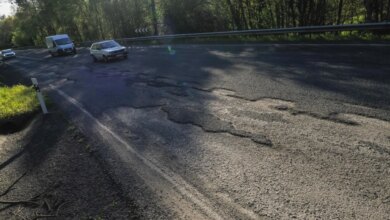
The opposition insists on the urgent adoption of the new rules to avoid losing European investments already allocated for modernizing the transport infrastructure, including the reconstruction of avenida de Pérez Galdós. In addition, future subsidies for public transport passes are also at risk.
At the same time, the current city hall, led by María José Catalá, remains skeptical of the opposition’s proposal, calling it insufficiently developed and too harsh for residents. According to city officials, the project fails to consider the interests of all parties and could lead to additional expenses for families forced to change vehicles.
Next steps and expectations
In response to the criticism, opposition groups stress that their initiative does not require everyone to immediately change their vehicles, but rather provides for support and a gradual introduction of restrictions. They are also calling for the resignation of the official responsible for transportation, accusing him of inefficiency and for the failure of previous reform attempts.
According to regulations, city officials have two weeks to organize an extraordinary session to review the new initiative. If the ZBE is not adopted, Valencia risks not only worsening its environmental situation, but also losing significant funding for urban mobility development.
In the coming weeks, it will become clear whether the opposition can persuade members of the ruling coalition to abstain from voting and give the green light to a project that could change the city’s transportation future and secure vital European investments.