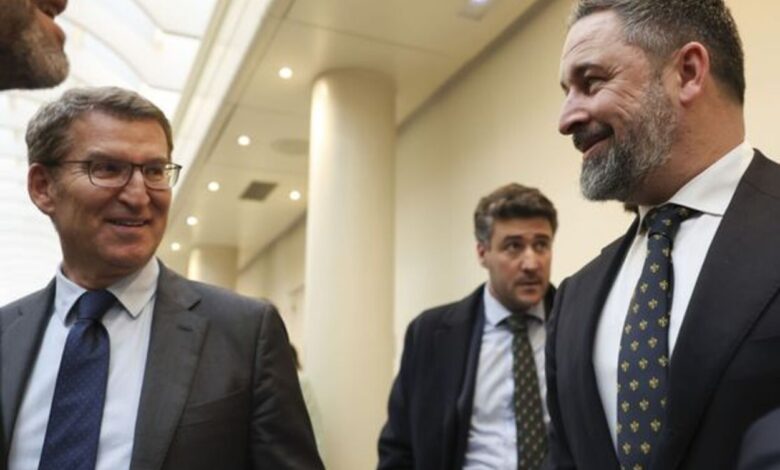
A tense political battle has erupted in the Valencian Community (Comunidad Valenciana) for the presidency of the autonomous region. After Carlos Mazón resigned amid public discontent over the aftermath of a devastating storm, the region’s future became closely tied to the stance of the Vox party. The party’s leader, Santiago Abascal, issued a tough ultimatum: they would only support the People’s Party candidate if there is a complete withdrawal from the European Green Deal.
This ultimatum threatens nearly half of all funds allocated to Valencia from the European Union for 2021–2027. Of more than a billion euros intended for the region, over 460 million are directly linked to projects for ecological transformation, infrastructure modernization, and recovery from climate disasters. Yet, despite the importance of these resources, by mid-November 2025, local authorities had managed to plan just a third of the available funds, and spending had barely begun.
Environmental projects in jeopardy
A key focus among the initiatives is the Vega Renhace program, aimed at protecting the areas most vulnerable to flooding, as well as upgrading port infrastructure to address new climate risks. Plans also include improving the energy efficiency of public buildings, introducing renewable energy sources, and developing technology for green hydrogen production. These measures are expected not only to reduce greenhouse gas emissions but also to better prepare the region for future extreme weather events.
Ironically, the very projects that could help Valencia cope with the aftermath of recent disasters are now threatened by political disagreements. Vox insists on tightening migration policies and rejecting climate initiatives, even though a significant portion of European funds is intended to prevent further tragedies and support affected areas.
Economic and social impact
A potential withdrawal from the Green Deal could lead to the suspension or cancellation of business support programs, industrial modernization, and sustainable mobility development. For local businesses and residents, this would mean losing access to grants and investments that could drive growth and innovation. Moreover, the region risks losing funding for ecosystem restoration, protection against droughts and fires, and improvements in water supply—all of which are especially important for Valencia in the context of climate change.
In the long run, such a decision could hamper the region’s economic development, reduce its appeal to investors, and exacerbate social problems. Many projects require co-financing from the private sector, and turning away from European programs might discourage potential partners.
The region’s future depends on political compromise
The fate of hundreds of millions of euros and several strategic initiatives now rests on the outcome of negotiations between the Partido Popular and Vox. Politicians have until November 19 to reach an agreement and set the course for Valencia in the coming years. If the talks fail, the region could not only lose a significant share of European investments, but also face new challenges in the areas of ecology, the economy, and social stability.