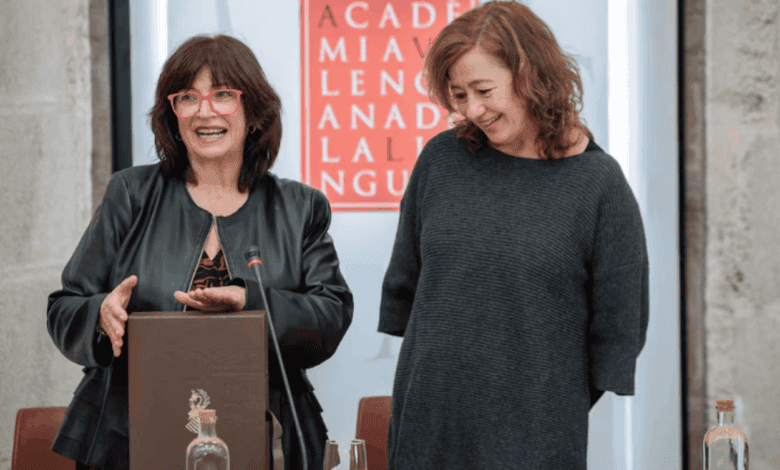
Spain has adopted a new procedure for publishing laws: from now on, all initiatives approved in Congress will be officially translated into Valencian. This process is overseen by the Valencian Academy of Language (Acadèmia Valenciana de la Llengua, AVL), which was granted the relevant authority following the signing of an agreement between the Congress leadership and the Academy. The document was endorsed within the historic walls of the San Miguel de los Reyes monastery (San Miguel de los Reyes) in Valencia and will remain in effect until the end of 2027, with an option to extend for another two years.
The agreement includes annual funding of 25,000 euros, enabling the Academy to ensure high-quality and timely translation of all legislative acts passed by Congress. These translations will be published in the official state bulletin (BOE), granting them legal status and making them accessible to the wider public.
Congress President Francina Armengol stressed that the Academy’s work holds both linguistic and legal importance. She noted that the accuracy of translation influences the interpretation of laws and helps promote recognition of the country’s linguistic diversity. She emphasized that supporting regional languages is part of national identity and reflects respect for the autonomous regions, as enshrined in the Constitution and statutes.
Language policy
Academy president Verònica Cantó expressed gratitude for the trust placed in the institution and emphasized the unique status of the Valencian language within the broader Catalan-speaking region. She noted that publishing laws in Valencian will be a major step toward recognizing and developing the language, as well as strengthening the region’s cultural identity.
Under the new rules, all legislative initiatives that receive final approval must be published in the official languages of the autonomous communities. This provision was included in an additional article to the reformed rules of the Congress, adopted in fall 2023. Now, residents of Valencia will be able to access the texts of laws in their native language as soon as they are published.
As part of the agreement, the academy will not only handle translations but also participate in the preparation and review of documents related to the non-parliamentary activities of Congress. Additionally, the academy will gain the right to use the translated texts for research and educational purposes, opening up new opportunities for advancing and promoting the Valencian language.
Cultural cooperation
The agreement between Congress and the academy aims to promote cultural and linguistic exchange within the country. It creates conditions for a deeper understanding of Spain’s multilingualism and supports the integration of regional languages into state affairs. During the signing ceremony, both parties exchanged symbolic gifts, underscoring the significance of the event for both organizations.
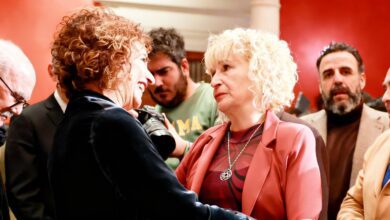
The event was attended by representatives of Congress, deputies, and academy members. They all noted that this step would serve as an example for other regions and help strengthen the status of the Valencian language at the national level. The first translations will soon be available on the official website, allowing local residents to quickly access information about new laws.
Significance for the region
The introduction of official translations of laws into Valencian is not merely a formality, but a genuine tool for expanding citizens’ rights. Now, residents of Valencia will be able to access legislative acts in their native language, increasing awareness and engagement in public life. In addition, this decision supports educational and cultural initiatives aimed at preserving and developing the Valencian language.
In the coming years, the academy plans to expand its activities, including cooperation with other governmental and educational institutions. This will help create a unified translation database and improve the quality of linguistic work at all levels. In the future, this approach may also be implemented in other regions with official languages.
If you didn’t know, the Acadèmia Valenciana de la Llengua is the official body responsible for standardizing and promoting the Valencian language. Established in 1998, the academy has played a key role in the region’s language policy ever since. Its work goes beyond translations, encompassing the creation of dictionaries, educational programs, and academic research. Thanks to its efforts, the Valencian language has gained official recognition and is actively used in education, culture, and administration.