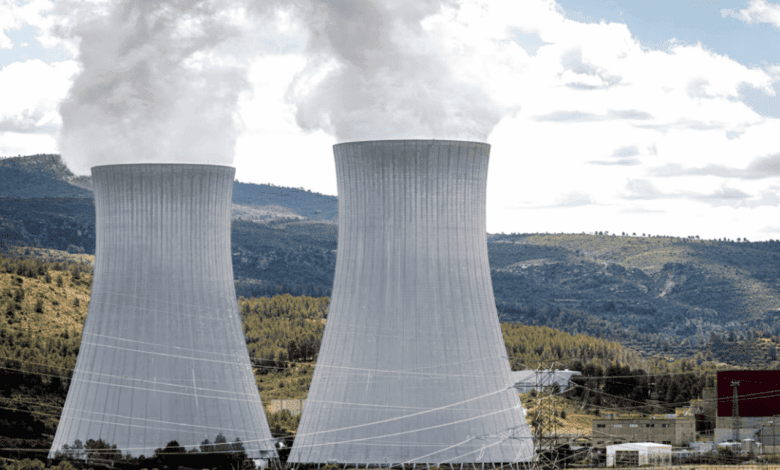
Authorities in the Valencian Community (Comunitat Valenciana) have expressed strong dissatisfaction after Congress decided not to reconsider the deadlines for shutting down nuclear power plants, including Cofrentes (Cofrentes). According to the regional government, this move could have serious consequences for the region’s economy and energy stability.
Minister of Innovation, Industry, Trade, and Tourism Marián Cano believes that the refusal to extend the operation of Cofrentes is not just a technical decision, but a blow to energy independence and the interests of Valencia residents. She is convinced that thousands of families in the Valle de Cofrentes-Ayora (Valle de Cofrentes-Ayora) area could lose their jobs, and the region could lose a stable source of electricity.
Representatives of the opposition share a similar stance. In their view, closing the plant will lead to higher unemployment, increased electricity costs for businesses and households, and greater dependence on gas imports for Spain. There are concerns in the region that the decision was made solely for ideological reasons, without considering the real needs of the economy and society.
During the parliamentary debate, the proposal to review the closure dates for Cofrentes, as well as other plants — Almaraz (Almaraz) and Ascó I (Ascó I) — failed to gain support. This sparked a wave of criticism from local authorities and business leaders, who argue that the country is losing its competitive edge by giving up existing nuclear capacity.
According to several experts, Spain is becoming one of the few countries to voluntarily abandon nuclear energy, even though its plants could continue operating for many years. As a result, they predict greater reliance on gas-fired power stations, which will lead to increased CO2 emissions and higher electricity costs for all consumers.
In Valencia, officials emphasize the need for a new strategy that can combine the development of renewable energy with maintaining a stable and affordable power supply. Local authorities insist that closing Cofrentes without a real alternative could result not only in economic losses but also in growing social tensions.
Overall, the fate of Spain’s nuclear plants has sparked a heated debate about the country’s energy future. The question of how to balance environmental goals with economic security remains unresolved and is fueling growing controversy at both regional and national levels.