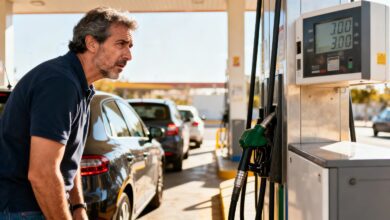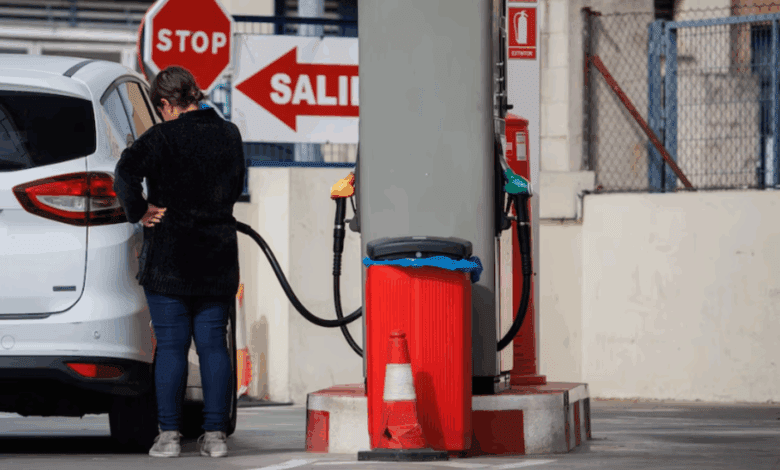
The introduction of new tax breaks for fuel and utilities could change spending habits for millions of Spanish families in the near future. The decision to lower VAT on petrol and diesel to 10% came as an unexpected response to the economic challenges stemming from the conflict in Iran. For many households, this means a real opportunity to cut monthly transport and energy costs—especially important as prices have risen in recent months.
According to cadena SER, the Spanish government plans to approve a comprehensive anti-crisis package at the upcoming Council of Ministers meeting. This package will include not only reduced taxes on fuel, but similar measures for electricity and gas as well. The approach is designed to soften the impact of geopolitical shocks on the domestic market and support the most vulnerable members of society.
Support for the vulnerable
Special attention will be given to those facing financial hardship due to rising prices. Authorities have pledged additional subsidies for consumers in socially disadvantaged groups. According to cadena SER, these measures will be accompanied by support for industries most affected by the escalation of conflict in the Middle East—primarily the transport and energy sectors, where increasing costs directly influence the cost of living.
Prime Minister Pedro Sánchez is expected to personally unveil the details of the package at a press conference. The new initiatives are likely to include not only tax breaks but also direct payments to low-income families. Experts have already discussed this approach as the most effective way to quickly ease social tensions.
Market reaction and expectations
Economic analysts point out that cutting VAT on fuel could lead to a noticeable drop in prices at petrol stations. However, much will depend on how quickly suppliers respond to changes in tax policy. In the past, similar measures have not always resulted in an immediate benefit for end consumers, but amid the current crisis, authorities are hoping for a more rapid impact.
Changes are also expected in the energy sector. Lowering the tax burden on gas and electricity should provide relief for businesses and individuals, especially in regions heavily dependent on imported energy. According to russpain.com, such moves could help stabilize domestic prices and reduce inflationary pressure.
Context and consequences
In recent years, Spain has already faced the need to take emergency measures to support the economy during external shocks. For example, in 2022, after a sharp increase in energy prices, the government introduced temporary subsidies and reduced taxes on utilities. These steps partially offset rising expenses for households and businesses at that time.
Now the situation is repeating itself, but against the backdrop of a new international conflict. Authorities are relying on a comprehensive approach aimed not only at lowering prices but also at supporting the most vulnerable. Similar measures are already under discussion in other EU countries, highlighting the scale of the challenge facing Europe.
Recalling recent events, it is worth noting that similar initiatives to cut taxes on fuel and energy had been introduced in Spain earlier, during other periods of sharp global price hikes. For example, in 2023, a temporary reduction of VAT on electricity helped stabilize bills for millions of households. Additional payments for low-income families were also introduced, helping to mitigate the effects of inflation. These measures typically provide short-term relief, but serve as an important tool for social support during periods of instability.