A debate has erupted in Catalonia after a video emerged showing young locals unable to name the current president of the Generalitat. This situation has raised concerns among politicians and experts, as it highlights the growing disconnect between youth and government institutions. At a time when government decisions directly affect education, housing, and transportation, such detachment could have long-term consequences for society as a whole.
As El Pais reports, the video was filmed at the entrance to Saló de l’Ensenyament, a major education event in Barcelona. Journalist Flaixbac asked passersby a simple question: who currently leads the Generalitat? The answers were unexpected—some named famous cultural figures, others mentioned different politicians, or simply admitted they didn’t know. Even when the reporter prompted with the name ‘Salvador…’, some continued to guess, recalling, for example, Salvador Dalí.
Authorities respond
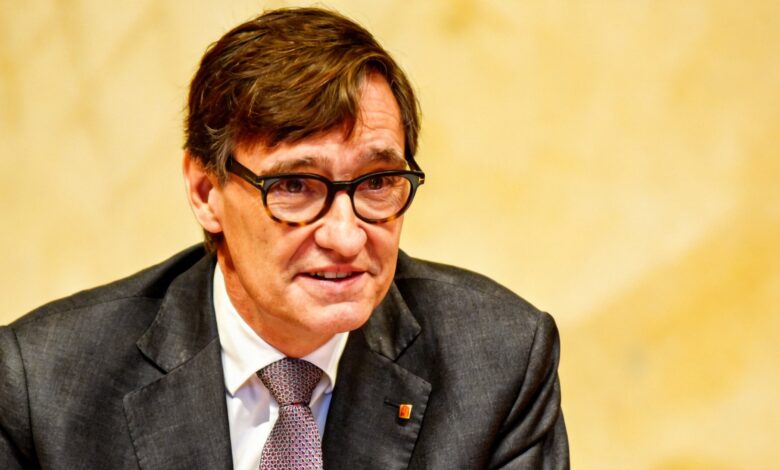
Generalitat President Salvador Illa publicly admitted he was surprised and concerned by what he saw. He stressed that youth are the key to the region’s future, and the government must actively communicate about its work and role in society. According to him, it is urgent to raise awareness of the Generalitat as an institution and to explain how government decisions impact the daily lives of young people.
The video creators met with Illa in the gardens of Palau de Pedralbes to discuss the reasons behind the disconnect between the authorities and the youth. The president promised that the government would strengthen its communication and work to ensure that young Catalans have a better understanding of who governs the region and the tasks facing the executive branch.
Survey data
The problem is not limited to an isolated case. According to the latest study by the Centre d’Estudis d’Opinió (CEO), 63% of Catalonia residents aged 18 to 24 said they were “slightly interested or not interested at all” in politics. This is the highest figure among all age groups. For comparison, ten years ago this figure was 54%. The trend shows a gradual decline in youth engagement in public affairs.
Experts link this to a lack of information about the activities of regional authorities and the absence of effective communication channels with the younger generation. As young people face challenges with employment, housing, and access to education, their distance from politics could reduce civic engagement and weaken democratic institutions.
Challenges and prospects
The authorities in Catalonia have already begun developing new initiatives aimed at increasing young people’s interest in politics. Proposed measures include educational campaigns, interactive projects, and open meetings with government representatives. According to analysts, only a comprehensive approach can change the situation and restore young citizens’ trust in government institutions.
As reported by El Pais, such cases are not uncommon in European regions, where young people are increasingly distancing themselves from traditional political structures. In recent years, Spain and other EU countries have seen growing apathy among young voters, reflected in lower turnout and engagement in public life. In Catalonia, this trend is particularly noticeable amid political changes and reforms affecting key areas of life.
In recent years, Spain has repeatedly seen situations where young people showed little interest in elections and the work of government bodies. For example, in 2023, a similar survey in Madrid revealed that more than half of the capital’s young residents could not name the mayor. Other regions reported cases where youth confused politicians’ names or did not know who held key positions. These trends highlight the need for new approaches to keep young citizens informed and engaged in public life.