Catalonia once again hears the voices of those who arrived here in search of a better life. The radio drama by SER Catalunya, “Els nous altres catalans,” immerses listeners in the world of today’s migrants, whose stories intertwine with the region’s history. At its core are true stories of people who have faced hardships but remain hopeful.
One of the protagonists is Younouss Dramé, recently evicted from the former B9 Institute in Badalona. His statement that evicting people during winter is inhumane resonates deeply with many. Stories like his are not new for Catalonia: as early as 1964, writer Paco Candel noted that as old barracks vanish, new ones take their place. Issues like housing, finding work, and integration remain urgent today.
Rethinking the past
The radio play project emerged as a response to rising xenophobic sentiment. Its creators aim to give a voice to those who are often unheard—migrants building the new Catalonia. The broadcast features not only excerpts from Candel’s book but also personal testimonies from people who have come from all over the world. Among them is Imane Raissali, a psychologist and singer of Moroccan descent, who asks: “I feel Catalan, but am I truly Catalan?”
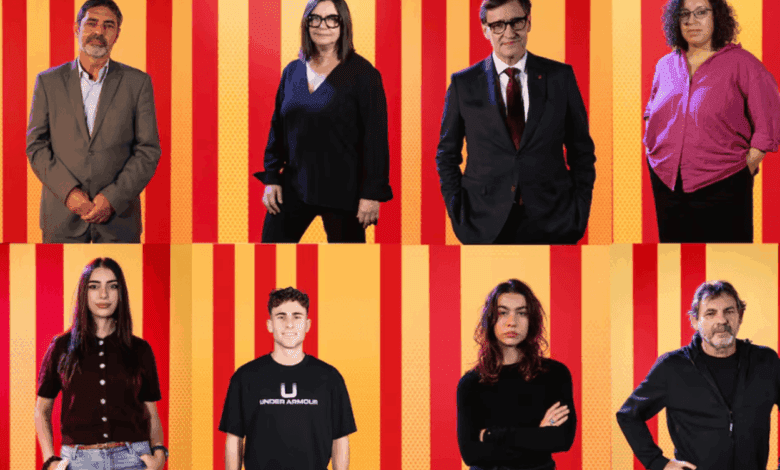
More than 40 prominent figures took part in the project, including politicians, athletes, artists, and writers. Among those lending their voices to the radio play are the President of the Generalitat Salvador Illa, Parliament President Josep Rull, Culture Minister Ernest Urtasun, Barcelona Mayor Jaume Collboni, as well as directors Carla Simón and Marcel Barrena, actresses Greta Fernández and Llum Barrera, writers Najat el Hachmi and Andrea Genovart, and many others.
Modern stories
Catalonia continues to attract people from around the world, but the faces and personal stories of its new residents have changed. In the past, most arrivals came from Andalusia and Murcia; today, among the new Catalans are people from Ukraine, Uzbekistan, Morocco, and Nigeria. The radio play features stories from Dilora and Munis, who arrived from Uzbekistan with nothing but have since started their own business and are now raising a daughter in university.
Also featured are Luis and Lourdes, a couple from Peru who share a single room with their three children and split an apartment with another family. Their story is just one of many that illustrate the challenges of finding decent housing and adapting to life in a big city.
Generational continuity
The problems faced by new migrants are, in many ways, similar to those their predecessors encountered: lack of affordable housing, low-wage work, and the need to learn the language. Singer Kelly Issiah, originally from Lleida with Nigerian roots, sings in Catalan and shares his journey toward acceptance.
A central part of the radio drama is the story of Shurouq Alimam, a 27-year-old woman from Gaza now living in Barcelona, who dreams of bringing her family here. Her voice is a reminder that behind every statistic are real people with hopes and fears.
Voices and Support
The project was supported by Paco Candel’s daughter, Maria Candel. Leading journalists from SER Catalunya, as well as prominent figures from the world of culture and sports, took part in the recording. The radio drama will air on December 26 and January 1, with a video version to follow later.
Organizers are convinced that a challenging year lies ahead, and it is important not to lose faith in an open, multilingual Catalonia where everyone can find their place.