In Madrid, political tension has reached a new level after the city council declined to meet Vox’s demand to replace its representative. This decision came as a surprise to many, revealing internal disagreements within Vox’s municipal group and bringing them into the public eye. For the capital’s residents, this situation is significant as it could shift the balance of power in city governance and affect the adoption of key decisions.
Internal conflict
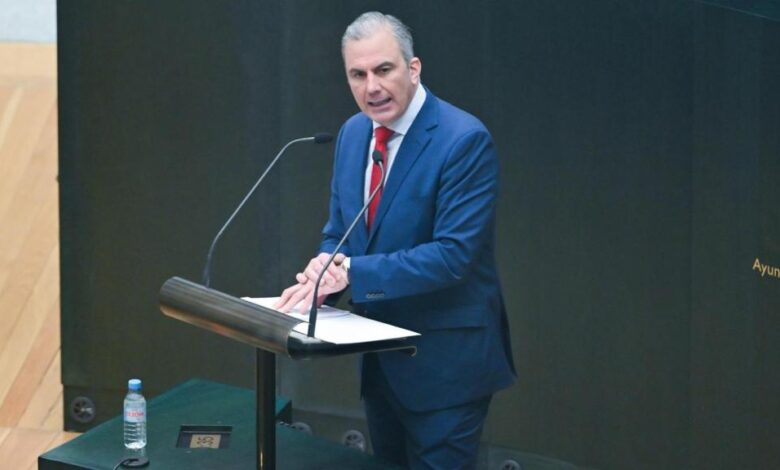
During the latest municipal meeting, it became clear that Vox’s group had split into two opposing camps. On one side is the acting representative, Javier Ortega Smith, and his supporters, who have been temporarily suspended from party membership. On the other, two council members back the national leadership of Vox and advocated for a change in leadership. Despite mounting pressure, Ortega Smith retained his position with the support of most colleagues in the group.
The city council’s legal department confirmed that only Vox’s own council members have the authority to decide who represents them. This allowed Ortega Smith to remain in his post, despite the party leadership’s attempt to replace him with Arantxa Cabello. As a result, Ortega Smith served as the group’s spokesperson during the meeting, while his opponents were unable to rally enough support to force a change in leadership.
The vote and consequences
Divisions were also evident during the vote on city issues. Three deputies supporting Ortega Smith voted in favor of approving three urban planning projects, while their opponents abstained. This highlighted the depth of the split and showed there is no longer unity within the group. According to Ale Espanol, a legal opinion from the city council secretary confirmed that changing the representative is only possible with the support of the majority of group deputies, which is currently impossible.
At the start of the meeting, all five Vox deputies took their usual seats, but even as they entered the hall, it was clear the group was divided. Ortega Smith, Carla Toscano, and Ignacio Ansaldo arrived together, while Cabello and Fernando Martínez Vidal came separately. The differences became even more apparent when the deputies voted on various issues apart from one another.
Reaction and statements
During the discussion, Ortega Smith stated that his main goal is to defend the interests of Madrid’s residents, despite internal disagreements. He also addressed party leadership, questioning how justified such a situation is for the country, given the challenging times and difficulties Spain is facing. According to him, division within the group hinders effective work and could negatively impact the resolution of city problems.
At the same time, efforts by Vox’s national leadership to replace the representative proved unsuccessful. A letter from the party secretary demanding that Cabello be appointed the new leader was rejected due to its failure to comply with legal requirements. As a result, Ortega Smith continues to fulfill his duties, supported by two colleagues, including the party’s first president and its very first member.
Context and comparisons
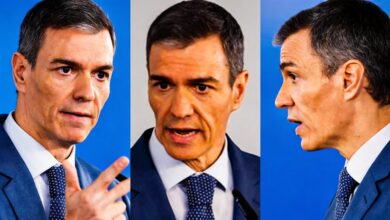
The situation in Vox echoes other recent political conflicts in Spain, where internal disagreements have led to unexpected outcomes. For example, the country recently debated a heated exchange between Pedro Sánchez and Giorgia Meloni on the eve of the EU summit, sparking discussions about how personal disputes can affect political stability. For more insight into how such disagreements can shift Madrid’s position on the European stage, see the article on the consequences of the conflict between the leaders of Spain and Italy.
In recent years, the Spanish political scene has increasingly seen situations where internal party disputes escalate into public conflicts and changes in leadership. Similar events have already occurred in other regions of the country, where disagreements between local and national party structures have led to temporary crises. These cases are usually accompanied by legal proceedings and prolonged negotiations, impacting the work of municipalities and the public perception of politicians among voters.