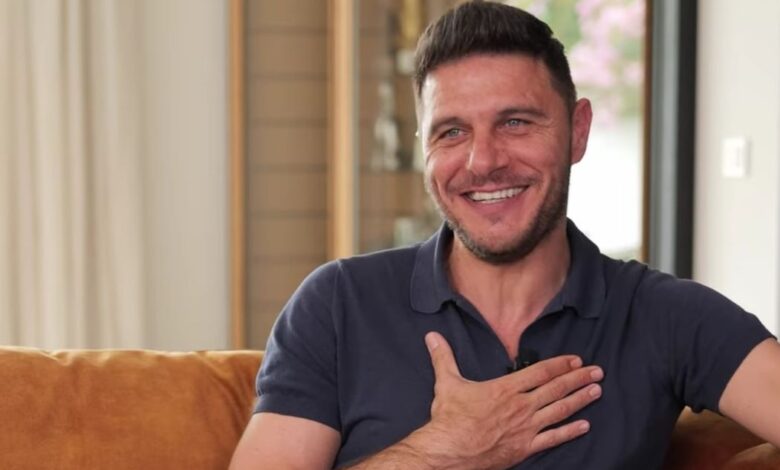
Debates continue in Spain about how professional footballers manage their earnings after leaving the stage. Few consider that behind the glitter of sporting victories often lies financial uncertainty. Young stars, upon receiving their first major fee, rush to fulfill long-held dreams: some buy an expensive car, others support their families, while some invest in real estate. But behind this lies a much more complex issue — how to preserve and grow their wealth when a sports career suddenly ends?
In recent years, more and more former players have admitted: the lack of a financial plan at the start leads to serious problems later in life. Many acknowledge that in their youth they didn’t think about the future, and the temptation of quick spending and risky investments resulted in losing a significant part of their capital. Spanish experts are convinced: without a competent approach to money management, even the most successful athletes risk ending up in a difficult situation.
Early mistakes
The mindset of young footballers is simple: newly acquired wealth seems inexhaustible. At that moment, few think about the brevity of a sporting career or how quickly income can disappear. Many spend their first earnings on childhood dreams without considering the long-term consequences. Only years later comes the realization: life after football is longer than it seems, and you need to prepare for it in advance.
Some players, when faced with reality, start looking for ways to preserve their wealth. Some invest in real estate, others try their hand at business, but not everyone does this consciously. Mistakes made early on often lead to a situation where, by the end of their career, an athlete is left with only a small portion of what was once a significant fortune.
The role of advisors
In Spain, the view is increasingly prevalent: a professional financial advisor should be as indispensable to the team as a coach or doctor. Experienced players admit that without expert support, it’s easy to fall into the trap of dubious offers. Former stars are literally flooded with investment ideas—from opening bars to investing in trendy brands. However, most such projects turn out to be unprofitable, and the losses—painful.
Only trust in professionals and competent asset allocation can help avoid fatal mistakes. Financial consultants help not only to preserve but also to grow capital, taking into account the individual characteristics and goals of each athlete. It’s important to understand: even if your income seems substantial, without a clear plan it can quickly disappear.
Diversification and risks
One of the main recommendations from experts is to avoid putting all your eggs in one basket. Many footballers, lacking experience, tend to invest everything in a single asset, believing it to be reliable. However, it is precisely this lack of diversification that often leads to significant losses. Properly distributing investments across different instruments reduces risks and ensures long-term stability.
Experts emphasize that it is important not only to choose reliable assets, but also to understand your own investment profile. For athletes accustomed to high incomes, it is especially critical to preserve their capital and ensure its growth throughout their lives. Without this, even the highest earnings can quickly vanish.
Passing on experience
Today in Spain, increasing attention is being paid to the financial education of young athletes. Academies and clubs hold special training sessions where future stars are taught the basics of money management. This is particularly important since not every young talent will be able to build a successful career in professional football. For most, it is essential to have a backup plan and develop skills that will help them adapt to life beyond sports.
Experienced players who have faced financial challenges are now mentoring the new generation. They share stories of their mistakes and successes to help young colleagues avoid repeating others’ missteps. In Spain, a new culture of responsibility for one’s future is emerging, in which financial literacy is becoming an essential part of professional development.
Financial initiatives
In recent years, leading banks and financial institutions have launched special programs to support athletes. These initiatives include seminars, consultations, and one-on-one meetings where players are taught the basics of investing, tax planning, and asset management. Particular emphasis is placed on long-term capital preservation and preparing for life after a sports career.
These programs have already proven effective: more and more footballers are seeking help from professionals, and the level of financial literacy among athletes is noticeably rising. However, the issue remains relevant—every year new stories emerge about lost fortunes and failed investments.
One of the most vivid examples is the story of a former midfielder who, after retiring, not only preserved but increased his wealth through competent management and professional support. His experience has become a benchmark for many young athletes just starting their journey in professional sports.
Joaquín Sánchez is a well-known figure in Spanish football, celebrated not only on the pitch but off it as well. Following his retirement, he has taken an active role in mentoring, helping young athletes avoid financial pitfalls. His approach to managing capital and his willingness to share his experience have made him a respected authority among his peers. Thanks to such examples, a new generation of footballers is emerging in Spain, for whom financial literacy is becoming an essential component of success.