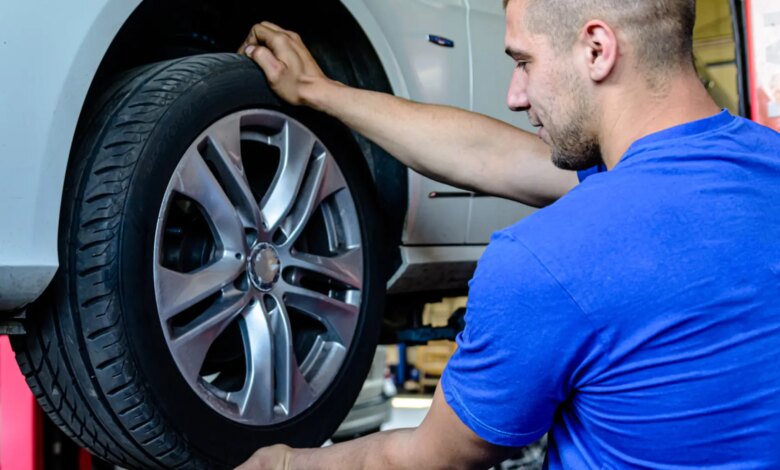
With the arrival of winter in Spain, motorists face new challenges. The cold months not only make life more difficult for pedestrians, but also have a direct impact on the condition of vehicles. This is especially evident in tire performance: lower temperatures cause changes in pressure, which can affect vehicle handling and safety. Many drivers neglect the need for regular checks, even though this issue becomes particularly important during the winter.
Loss of tire pressure is more than just a minor inconvenience. Underinflated tires lose grip on the road, wear out faster, and increase the risk of accidents. In addition, incorrect pressure directly affects fuel consumption: the lower the pressure, the more effort the engine needs to maintain movement, which means higher fuel costs.
Expert recommendations
Spain’s Directorate-General for Traffic (Dirección General de Tráfico, DGT) regularly reminds drivers of the importance of monitoring tire pressure. According to experts, ignoring this parameter can lead to serious consequences. The agency recommends checking at least once a month, and during the winter— even more frequently, especially if the car is parked outdoors overnight or is used for long trips.
Automotive experts note that the optimal time to check tire pressure is when the tires are completely cold. The best time is in the morning, before you start driving, or a couple of hours after the car has stopped. If the car has recently traveled several kilometers, the readings may be inaccurate due to the heated air inside the tire.
How often to check in winter
Under normal conditions, it’s enough to check tire pressure every 30–40 days. However, with the onset of cold weather, specialists recommend cutting this interval down to two weeks. It’s especially important to check after long trips or if your car is regularly left outside overnight. Temperature fluctuations can cause unexpected drops in pressure even in brand-new tires.
The right tire pressure is key not only for safety but also for saving money. Underinflated tires increase rolling resistance, forcing the engine to work harder. As a result, fuel consumption can rise by 5–10%, which has a noticeable impact on your budget, especially if you frequently take long trips.
Possible consequences of mistakes
It’s also important not to overinflate your tires. Excessive pressure causes uneven tread wear, worse shock absorption, and makes the car less stable on slippery roads. On the other hand, if the pressure is below the recommended level, the tires will wear out faster, and a driver risks losing control of the car in critical situations.
Motorists often underestimate how much tire pressure affects braking distance and cornering stability. Even minor deviations from the recommended values can increase the risk of skidding or worsen handling. That’s why experts advise against relying on guesswork—use accurate pressure gauges and always check the manufacturer’s guidelines.
Practical tips
Before hitting the road, take a few minutes to check your tires. If you’re unsure about the correct pressure levels, you can always find them in the vehicle’s user manual or on a special sticker located on the door jamb or the fuel cap. Remember, the recommended pressure may differ for the front and rear wheels.
Regularly checking tire pressure is a simple step that can help you avoid unpleasant surprises on the road. In Spanish winter conditions, when temperatures can change dramatically even within a single day, this habit becomes especially important. Don’t cut corners on safety: timely tire checks are the key to peace of mind and confidence behind the wheel.
In case you didn’t know, the Dirección General de Tráfico (DGT) is Spain’s main government agency responsible for road safety. The organization not only oversees and regulates traffic, but also actively informs citizens about vehicle regulations, new laws, and guidance for drivers. The DGT is headed by Pere Navarro, known for his initiatives to reduce road accidents in the country.