January 2026 brings long-awaited changes for millions of Spanish pensioners. This month sees the first increase in pensions under the law protecting purchasing power, passed back in 2021. For most recipients of minimum pensions, the increase will be 2.7%, while those with a dependent spouse or who receive survivor’s pensions with dependents will see a much larger boost—up to 14.1%. Non-working pensioners are also not left out: their payments will rise by 7.07%.
However, despite the official dates when the government is required to transfer the money, the actual time funds appear in accounts depends on each bank’s policies. And this is where things get interesting: some financial institutions are eager to pay out early, while others stick to strict deadlines. As a result, pensioners across the country keep a close eye on the calendar so they don’t miss the day their long-awaited payment arrives.
Payment schedule
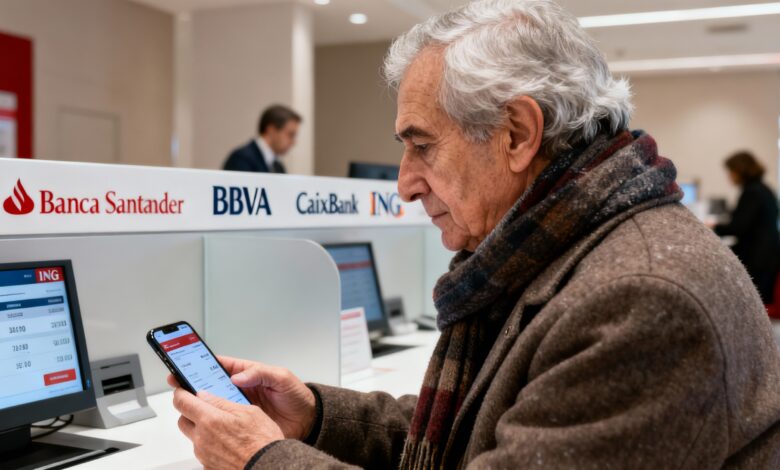
By law, pensions must be available to recipients on the first business day of the month, but no later than the fourth. In practice, most banks prefer not to delay and transfer the money in advance—usually between January 22 and 27. For example, in 2026, Bankinter and Caja de Ingenieros will start payments as early as January 22, while major players like BBVA, Abanca, and Kutxabank have chosen January 26. CaixaBank, Ibercaja, Sabadell, Santander, Unicaja Banco, and Cajamar will process transactions on January 23. ING stands out, scheduling its payments for January 24, which falls on a Saturday.
Keep in mind: if you bank with one of these institutions, your funds might be credited to your account a couple of days before others receive theirs. However, there is always a risk that, due to technical issues or weekends, the payment could be delayed up to the official deadline of February 4. It’s best to check the details with your branch or via online banking in advance.
Payment specifics
Pension payments in Spain are issued monthly, but with a peculiarity: funds are transferred for the previous month, not in advance. Exceptions are made only for underage recipients and individuals deemed legally incapacitated—these payments are transferred to guardians’ accounts. Otherwise, the system is straightforward: 14 payments per year, with two—June and November—considered extra and timed for summer and Christmas. The October payment is the last regular one before the winter ‘extra.’
This approach allows the government to evenly distribute the fiscal load and helps retirees plan their expenses. Nevertheless, January remains the tightest month for many: after the holidays and spending on gifts, funds run out quickly, and you still have to make ends meet before the next pension arrives.
Who will get more
In 2026, those receiving dependent pensions will notice the biggest increase, with payments rising by 14.1%—a record in recent years. Changes are also significant for non-contributory pensioners: their payments will go up by 7.07%. For everyone else the increase is more modest, but amid inflation even 2.7% can make a difference.
However, it’s important to remember that despite the increase, retirees’ real incomes depend not only on their pension statements but also on prices for food, services, and utilities. In recent years, Spain has faced waves of price hikes, and even higher payments do not always cover all expenses. Nonetheless, the January increase is a small but definite step forward.
Banking details
Each bank sets its own rules for crediting pensions. Some institutions, aiming to retain clients, try to transfer the money as early as possible. Others stick to standard dates to avoid technical glitches. As a result, retirees often discuss among themselves who received their money first and who is still waiting.
In 2026, the schedule remains unchanged: Bankinter and Caja de Ingenieros — January 22, CaixaBank, Cajamar, Ibercaja, Sabadell, Santander, Unicaja Banco — January 23, ING — January 24, BBVA, Abanca, Kutxabank — January 26. If you don’t see your bank on this list, it’s best to call your branch or check your online account, as dates can sometimes change based on internal decisions.
Awaiting payment
January is traditionally the toughest month for the family budget. Pensioners feel this more than anyone: after holiday expenses and winter heating bills, every euro counts. That’s why knowing the exact date for receiving their pension is not just about financial planning—it’s a matter of peace of mind.
In 2026, despite all the challenges, the Spanish system continues to operate as usual. Banks strive to meet their clients’ needs, and the government fulfills its obligations. However, it’s always wise to stay alert and clarify the details in advance to avoid being left without funds at the worst possible moment.