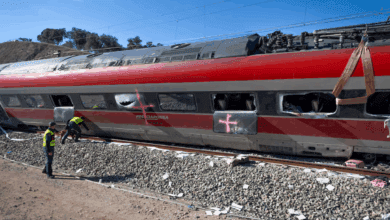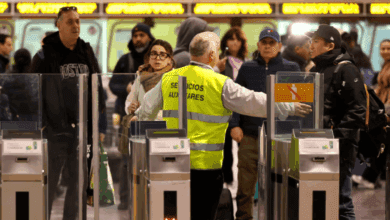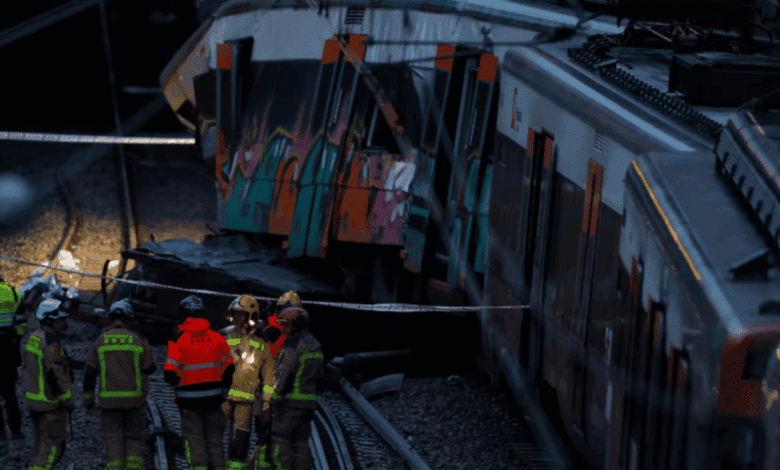
On Monday evening, Catalan commuters once again found themselves at the center of transport chaos. First, there was a fatal train derailment in Gelida, and just minutes before that, another incident occurred on the opposite end of the network between Maçanet and Blanes. Fortunately, the second case resulted in no casualties, but the faces of the passengers leaving the carriages said it all: another day, another survival lottery on Catalonia’s commuter rail lines.
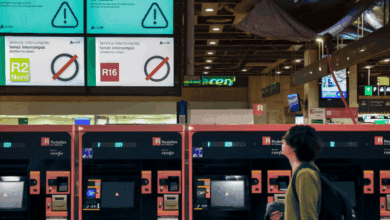
Over the past three decades, the region’s population has grown by two million. Yet the railway infrastructure seems frozen in time. Instead of development, commuters face constant disruptions, canceled trains, and an endless string of minor—and sometimes major—accidents. In just the last two years, there have been more than six hundred such incidents. This isn’t just a number; it’s the daily reality for hundreds of thousands of residents.
Lost commuters
What’s most striking is that despite population growth and increased mobility, the number of commuter train users keeps falling. In six years, the Rodalies system has lost nearly 43,000 weekday passengers. In 2018, more than 410,000 people used the trains daily, but by 2024, that number has dropped below 370,000. People would rather sit in traffic jams or pay extra for alternative transport than risk their time and patience on the trains.
Even free tickets have not restored trust in rail travel. Many former passengers refuse to return, regardless of promotions or promises. For them, the train is no longer a symbol of convenience but a source of stress and uncertainty. And that’s hardly surprising: each day brings new surprises, rarely pleasant ones.
Promises vs. Reality
Countless governments have changed in both Madrid and Barcelona over recent decades. Every new cabinet announced ambitious plans to modernize the railways. In practice, these efforts amounted to grand statements and the occasional cosmetic upgrade. During the rule of the Partido Popular, investments were all but frozen. The Socialists pledged billions but ran into the usual excuses: economic crises, priorities skewed toward high-speed lines, or sheer bureaucracy.
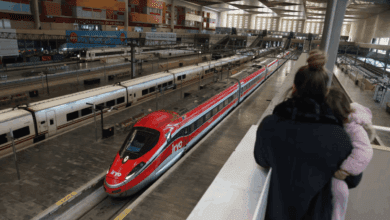
As a result, Catalonia’s rail network has become an open-air museum. Carriages and tracks are worn out, stations are outdated, and safety systems are woefully inadequate. Even when funding finally arrives, projects are seriously delayed. Too many years have been lost, and problems have piled up.
The Price of Inaction
Today, authorities are touting the launch of a new investment plan: 600 million euros for upgrading rail lines, purchasing trains, and modernizing stations. But even the most optimistic experts aren’t expecting quick results. Decades of neglect can’t be fixed in just a year or two. Passengers still face delays, cancellations, and accidents, while trust in the system continues to erode.
Public frustration is mounting. People are tired of empty promises and waiting for changes that never materialize. Every new incident is more than just a technical glitch—it strikes at the reputation of the entire regional transport system. And as officials argue over priorities, Catalonia’s residents are forced to risk their time and safety every day.
A look to the future
Catalonia’s railway network is trapped by the mistakes of its past. Even if a major modernization begins now, meaningful improvements will take years to materialize. In the meantime, passengers are losing faith in the trains, opting for other, even less convenient, ways to get around.
The situation with Rodalies isn’t just a transport problem. It reflects attitudes toward infrastructure, the public, and the region’s future. As long as accidents keep happening and trains continue to run late, one question remains: how much longer will Catalonia’s residents tolerate this chaos?