A heated debate has erupted in Spain that could shape the future of digital rights and the regulation of social media for young people. After the government announced plans to restrict access to social networks for teenagers under 16, the reaction came not only from within the country but also from abroad. Particular attention was drawn by sharp criticism from Elon Musk, sparking a storm of discussion in European capitals.
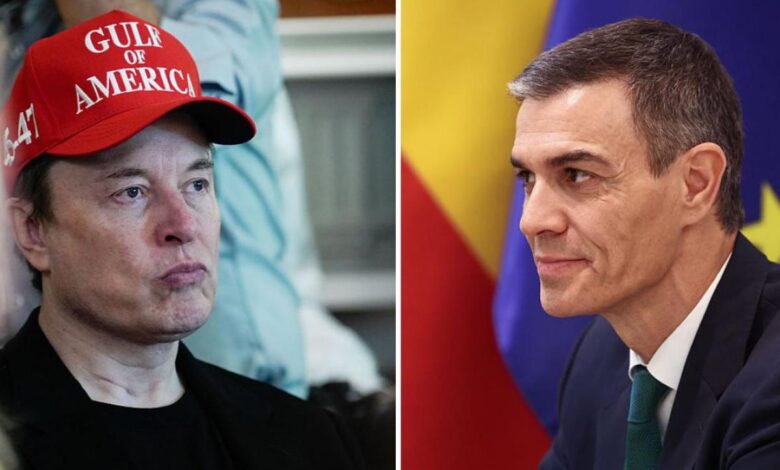
While France and the UK have taken a wait-and-see approach, with Paris even expressing support for Spain’s initiatives, Musk publicly lashed out at Pedro Sánchez, not holding back on insults. This raised new questions: why did the billionaire focus his attention on Spain and not France, where similar measures had been enacted earlier?
Background of the conflict
In early February, the Spanish government announced it was drafting a law to limit minors’ access to social media. The aim is to protect the mental health of children and adolescents and prevent the spread of illegal content. This initiative received support from some European politicians but drew sharp criticism from Elon Musk, the owner of one of the largest platforms.
Musk did not limit himself to neutral comments: his attack on Sánchez was sharp and personal. Meanwhile, when France passed a similar law and police raided the offices of X (formerly Twitter) in Paris, Musk chose not to engage in an open conflict with Emmanuel Macron. This decision surprised experts and journalists.
Motives and interests
Economic analysts note that Musk often targets politicians with whom he has neither close business nor personal ties. In France, however, the situation is different: close connections with French businesses, participation in official events, and interest in the European market make an open conflict with Paris unprofitable for the billionaire. In Spain, Musk does not have such ties, which, according to experts, explains his harsh reaction.
Commercial interests also play an important role. The European market remains one of the key areas for Tesla, and France is one of the company’s largest buyers of electric cars. In Spain, sales are not as significant, which lowers the business risks in the event of a public conflict.
Europe’s response
French politicians, on the other hand, supported the Spanish initiative. Former French Prime Minister Gabriel Attal publicly stated that France became a pioneer in protecting children from the influence of social media, and Spain is following the same path. He stressed that children’s health cannot be a matter of bargaining for any country, regardless of pressure from tech giants.
The UK is also considering the introduction of similar restrictions. Overall, European countries are increasingly viewing tighter control over digital platforms as a necessary measure to protect young people. This is creating a new backdrop for the relationship between governments and major tech companies.
Impact on society
The discussion of new laws and public disputes involving prominent entrepreneurs raise questions about balancing freedom of speech, child protection, and business interests. For Spanish society, this issue goes beyond regulation—it’s a sign that the country is ready to defend its values even in the face of pressure from global industry leaders.
In recent years, Europe has repeatedly faced attempts by major platforms to influence politics and legislation. Each new case serves as a reason to reconsider approaches to digital regulation and the protection of citizens’ rights.
In 2024 and 2025, similar debates took place in Germany and Italy, where restrictions for teenagers on the internet and the responsibility of platforms for distributing harmful content were discussed. In both countries, decisions were made after long public discussions and consideration of the opinions of child psychology experts. As a result, additional age verification measures were introduced and fines for violators were increased. These events demonstrated that European states are prepared to tighten control over the digital space for the safety of their citizens.